
Reading List
Tyler Cowen
Economist at George Mason University, co-author of the blog Marginal Revolution since 2003, and host of the interview series Conversations with Tyler. He is among the most prolific readers in public life, and has posted a numbered round-up of what he has been reading nearly every week for two decades. His notes are short and unhedged: a book is self-recommending, or fun enough to read, or a useful corrective to something else.

Fragile Neighborhoods: Repairing American Society, One Zip Code at a Time
by Seth D. Kaplan
“Seth D. Kaplan, Fragile Neighborhoods: Repairing American Society, One Zip Code at a Time, forthcoming in October.” — Source, August 2023
Liberalism’s Last Man: Hayek in the Age of Political Capitalism
by Vikash Yadav
“Vikash Yadav, Liberalism’s Last Man: Hayek in the Age of Political Capitalism.” — Source, August 2023
In Defense of Civilization: How Our Past Can Renew Our Present
by Michael R.J. Bonner
“And Michael J. Bonner, In Defense of Civilization: How Our Past Can Renew Our Present.” — Source, August 2023
Freedom from Fear: An Incomplete History of Liberalism
by Alan S. Kahan
“There is Alan S. Kahan, Freedom from Fear: An Incomplete History of Liberalism.” — Source, August 2023

The Idea of Epilepsy: A Medical and Social History of Epilepsy in the Modern Era (1860-2020)
by Simon Shorvon
“Simon Shorvon, The Idea of Epilepsy: A Medical and Social History of Epilepsy in the Modern Era (1860-2020). A remarkably thorough and intelligent treatment of a topic that now has a near-perfect stand-alone book.” — Source, August 2023
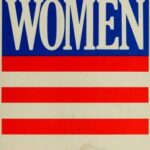
Right-Wing Women
by Andrea Dworkin
“Andrea Dworkin, Right-Wing Women. In my view, Dworkin remains an underrated and intellectually honest (if overly consistent) feminist thinker. This one is from 1978, still interesting albeit repulsive if you try to apply any moral judgment to it.” — Source, August 2023
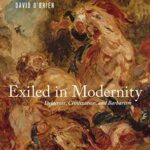
Exiled in Modernity: Delacroix, Civilization, and Barbarism
by David O'Brien
“David O’Brien, Exiled in Modernity: Delacroix, Civilization, and Barbarism. A very good book planting Eugene Delacroix — both his paintings and writings — squarely in a “progress studies” tradition. Good color plates too.” — Source, August 2023

Show and Biz: The Market Economy in TV Series and Popular Culture (2000-2020)
by Maria Blanco
“Maria Blanco and Alberto Mingardi have produced a very useful volume, Show and Biz: The Market Economy in TV Series and Popular Culture (2000-2020), providing an updated look at the (somewhat) rising popularity of business and capitalism in U.S. popular culture.” — Source, August 2023
The Rise of Modern Chinese Thought
by Wang Hui
“I will not right now have time to read Wang Hui, The Rise of Modern Chinese Thought, but it appears to be a major work of importance.” — Source, July 2023
The Rise and Fall of the EAST: How Exams, Autocracy, Stability, and Technology Brought China Success, and Why They Might Lead to Its Decline
by Yasheng Huang
“Soon to appear is Yasheng Huang’s The Rise and Fall of the East: How Exams, Autocracy, Stability, and Technology Brought China Success, and Why They Might Lead to Its Decline.” — Source, July 2023
Random Acts of Medicine: The Hidden Forces That Sway Doctors, Impact Patients, and Shape Our Health
by Anupam B. Jena
“Anupam B. Jena and Christopher Worsham, Random Acts of Medicine: The Hidden Forces that Sway Doctors, Impact Patients, and Shape Our Health, is a Freakonomics-style look at what we can learn from controlled and also natural experiments in medicine.” — Source, July 2023
Self-Made: Creating Our Identities from Da Vinci to the Kardashians
by Tara Isabella Burton
“Tara Isabella Burton, Self Made: Creating Our Identities from Da Vinci to the Kardashians is an interesting look at the earlier history of self-made celebrity images.” — Source, July 2023
Southern Europe in the Age of Revolutions
by Maurizio Isabella
“I can recommend Maurizio Isabella, Southern Europe in the Age of Revolutions, mostly about the 1820s.” — Source, July 2023

The Reformation as Renewal: Retrieving the One, Holy, Catholic, and Apostolic Church
by Matthew Barrett
“Matthew Barrett, The Reformation as Renewal: Retrieving the One, Holy, Catholic, and Apostolic Church. A lengthy and highly detailed polemic arguing that Protestantism is the true universal church, rather than a dissent per se. These are not my issues, but some people will like this book a good deal.” — Source, July 2023
1913: The Year Before the Storm
by Florian Illies
“Florian Illies, 1913:The Year Before the Storm, considers what the leading German and Austro-Hungarian cultural figures were doing in that year, right before disaster struck.” — Source, July 2023
Making Money in the Early Middle Ages
by Rory Naismith
“Rory Naismith, Making Money in the Early Middle Ages is a historically important work about the significant of coined money in dragging the Western world out of the Dark Ages.” — Source, July 2023

Revolutionary Spring: Fighting for a New World 1848-1849
by Christopher Clark
“Christopher Clark, Revolutionary Spring: Fighting for a New World 1848-1849. The new go-to book on this topic, magisterial on the lead-up causes and later on the international influences and contagions. Will make the year’s best non-fiction list.” — Source, July 2023

Shelter from the Storm: How a COVID Mortgage Meltdown Was Averted
by Mark Calabria
“I have not yet read Mark Calabria’s Shelter from the Storm: How a Covid Mortgage Meltdown was Averted, Cato Institute book.” — Source, March 2023
Defeating the Dictators: How Democracy Can Prevail in the Age of the Strongman
by Charles Dunst
“Charles Dunst, Defeating the Dictators: How Democracy Can Prevail in the Age of the Strongman. Full of true claims, common sense, and a needed dose of optimism.” — Source, March 2023

Enlightenment in a Smart City: Edinburgh’s Civic Development, 1660-1750
by Murray Pittock
“Murray Pittock, Enlightenment in a Smart City: Edinburgh’s Civic Development 1660-1750 is an excellent book on how the built environment of Edinburgh, and its building reforms and improvements, shaped the Scottish Enlightenment. Gives a better sense of the Edinburgh of the time than any other book I know.” — Source, March 2023

The Earth Transformed: An Untold History
by Peter Frankopan
“Peter Frankopan, The Earth Transformed: An Untold History. Long, full of information, and well written, but somehow lacks a central organizing thesis to hold it all together.” — Source, March 2023
In Defense of Capitalism: Debunking the Myths
by Rainer Zitelmann
“Rainer Zitelmann, In Defense of Capitalism: Debunking the Myths. A very good pro-capitalism book, broadly in the Milton Friedman tradition.” — Source, March 2023
Limitless: The Federal Reserve Takes on a New Age of Crisis
by Jeanna Smialek
“Jeanna Smialek, Limitless: The Federal Reserve Takes on a New Age of Crisis, is a good, readable, non-technical introduction to the Fed, focusing on personalities and internal mechanics, rather than macroeconomic theories.” — Source, March 2023

Tudor England: A History
by Lucy Wooding
“Lucy Wooding, Tudor England: A History. A good book, but most of all a very good book to read with GPT-4 as your companion.” — Source, March 2023

Lives of the Wives: Five Literary Marriages
by Carmela Ciuraru
“Carmela Ciuraru, Lives of the Wives: Five Literary Marriages. I hadn’t even known Patricia Neal was married to Roald Dahl. Overall I enjoy intellectual/romance gossip books, and this is a good one. Full of actual facts about the writings, not just the affairs and the marriages and divorces.” — Source, March 2023
A Cultural History of the British Empire
by John M. MacKenzie
“John A. Mackenzie, A Cultural History of the British Empire. A very good book on both a) early globalization, and b) actually understanding the British empire. I hadn’t known that during the 1930s and 40s, maximum years of resistance to the British empire, cricket tournaments largely were abandoned.” — Source, March 2023
The Normans: Power, Conquest and Culture in 11th-Century Europe
by Judith A. Green
“Judith A. Green, The Normans: Power, Conquest & Culture in 11th-Century Europe. A very clear and to the point book on a complex topic. In Sicily, near Palermo, the Normans produced one of my favorite sites in all of Europe.” — Source, March 2023
The State
by Philip Pettit
“There is a new and ambitious Philip Pettit book coming out, The State.” — Source, February 2023
The Museum of Other People: From Colonial Acquisitions to Cosmopolitan Exhibitions
by Adam Kuper
“Adam Kuper, The Museum of Other People: From Colonial Acquisitions to Cosmopolitan Exhibitions. An excellent history of ethnographic museums, including their original visions, how they evolved, and their continuing import. Good coverage of Leipzig, Pitt-Rivers, Paris, the Smithsonian, Mexico, and more.” — Source, February 2023

Not Zero: How an Irrational Target Will Impoverish You, Help China (and Won’t Even Save the Planet)
by Ross Clark
“Ross Clark, Not Zero: How an Irrational target Will Impoverish You, Help China (and Won’t Even Save the Planet). Quite a good book, well-argued, and avoids the craziness and “denialism” that plague some of the other efforts in this direction.” — Source, February 2023

The Blazing World: A New History of Revolutionary England
by Jonathan Healey
“Jonathan Healey, The Blazing World: A New History of Revolutionary England. As with World War II, you can’t read enough books about 17th century England. This new book has excellent coverage of the English Civil War, and overall the different fights between factions.” — Source, February 2023

Against the World: Anti-Globalism and Mass Politics Between the World Wars
by Tara Zahra
“Tara Zahra, Against the World: Anti-Globalism and Mass Politics Between the World Wars. A good book about anti-global sentiments in earlier times, most of all the 1920s, covering a broad span of countries, the flu pandemic, anti-Semitism, and gender.” — Source, February 2023
The Loss of Hindustan: The Invention of India
by Manan Ahmed Asif
“Useful is The Loss of Hindustan: The Invention of India, by Manan Ahmed Asif.” — Source, February 2023

How Big Things Get Done: The Surprising Factors That Determine the Fate of Every Project
by Bent Flyvbjerg
“There is also Bent Flyvbjerg and Dan Gardner, How Big Things Get Done: The Surprising Factors that Determine the Fate of Every Project, from Home Renovations to Space Exploration, and Everything in Between.” — Source, February 2023
The Things We Make: The Unknown History of Invention from Cathedrals to Soda Cans
by Bill Hammack
“Bill Hammack, The Things We Make: The Unknown History of Invention from Cathedrals to Soda Cans. From an engineering perspective.” — Source, February 2023
War by Other Means: The Pacifists of the Greatest Generation Who Revolutionized Resistance
by Daniel Akst
“There is Daniel Akst, War by Other Means: The Pacifists of the Greatest Generation Who Revolutionized Resistance.” — Source, February 2023
The Making of the Modern Philippines: Pieces of a Jigsaw State
by Philip Bowring
“Philip Bowring, The Making of the Modern Philippines: Pieces of a Jigsaw State is a good overview and in general I favor explanatory, country-specific books. Once again, low productivity in agriculture is a big problem.” — Source, February 2023
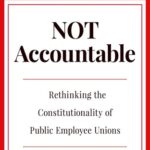
Not Accountable: Rethinking the Constitutionality of Public Employee Unions
by Philip K. Howard
“Philip K. Howard, Not Accountable: Rethinking the Constitutionality of Public Employee Unions. I am not sure about the “unconstitutionality” point, but the rest of this critique is right on target. Is this the next frontier for supply-side progressives?” — Source, February 2023

The Call of the Tribe
by Mario Vargas Llosa
“Mario Vargas Llosa, The Call of the Tribe. On the thinkers who have influenced him, including Adam Smith, Hayek, Berlin, Popper, and Ortega y Gasset, among others. All of the chapters I quite liked.” — Source, February 2023
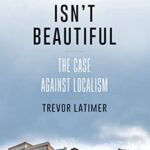
Small Isn’t Beautiful: The Case Against Localism
by Trevor Latimer
“Trevor Latimer, Small Isn’t Beautiful: The Case Against Localism. I say the correct answer here is culturally specific. Nonetheless this is a good and useful book marshaling arguments against localism and in favor of centralization, including with respect to the value of liberty.” — Source, February 2023

Mozart the Performer: Variations on the Showman’s Art
by Dorian Bandy
“Dorian Bandy, Mozart The Performer: Variations on the Showman’s Art shows how Mozart, first and foremost, was a showman and that background shaped his subsequent output and career.” — Source, December 2023
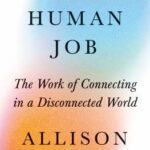
The Last Human Job: The Work of Connecting in a Disconnected World
by Allison Pugh
“Allison Pugh, The Last Human Job: The Work of Connecting in a Disconnected World accurately diagnosing networking as a skill that will rise significantly in value in a tech-laden world.” — Source, December 2023
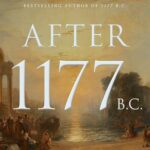
After 1177 B.C.: The Survival of Civilizations
by Eric H. Cline
“Eric H. Cline, After 1177 B.C.: The Survival of Civilizations. A good sequel to the very good 1177 B.C.” — Source, December 2023
Out of Sri Lanka: Tamil, Sinhala & English Poetry from Sri Lanka and its Diasporas
by Vidyan Ravinthiran
“Out of Sri Lanka: Tamil, Sinhala & English Poetry from Sri Lanka and its Diasporas, edited by Vidyan Ravinthiran, Seni Seneviratne, and Shash Trevett. A truly excellent collection, worthy of making the best non-fiction of 2023 list.” — Source, December 2023
Kathmandu
by Thomas Bell
“Thomas Bell, Kathmandu. There should be more books about individual cities, and this is one of them, one of the best in fact.” — Source, December 2023
There Were Giants in the Land: Episodes in the Life of W. Cleon Skousen
by Jo Ann Skousen
“There Were Giants in the Land: Episodes in the Life of W. Cleon Skousen. Compiled and edited by Jo Ann and Mark Skousen. If you are interested in LDS, one approach is to read The Book of Mormon. Another option is to read a book like this one.” — Source, December 2023

Troubled: A Memoir of Foster Care, Family, and Social Class
by Rob Henderson
“Rob Henderson, Troubled: A Memoir of Foster Care, Family, and Social Class. Yes, that is the Rob Henderson of Twitter and Substack. He was raised by foster parents and joined the Air Force at the age of seventeen. He ended up with a Ph.D. from Cambridge. This is his story, it covers class in America, and it is a paean to family stability.” — Source, December 2023

Into the Amazon: The Life of Cândido Rondon, Trailblazing Explorer, Scientist, Statesman, and Conservationist
by Larry Rohter
“Larry Rohter, Into the Amazon: The Life of Cândido Rondon, Trailblazing Explorer, Scientist, Statesman, and Conservationist. I loved this book, in part because I like Brazil so much but not only. Rondon, arguably the greatest tropical explorer of all time, played a central role in the development of northern Brazil. Recommended.” — Source, November 2023
Eve: How the Female Body Drove 200 Million Years of Human Evolution
by Cat Bohannon
“Cat Bohannon, Eve: How the Female Body Drove 200 Million Years of Human Evolution. It is getting harder and harder to find good popular science books, due to exhaustion of the major topics, but this is one of them. But most of this book is genuinely illuminating and on a wide range of biological topics, most of all how the female body is different. Recommended.” — Source, November 2023

Retroland: A Reader’s Guide to the Dazzling Diversity of Modern Fiction
by Peter Kemp
“Peter Kemp, Retroland: A Reader’s Guide to the Dazzling Diversity of Modern Fiction. Is this an actual book, or just some smart guy running off at the mouth and writing what he really thinks? Would I prefer the former? No!” — Source, November 2023
Vienna: How the City of Ideas Created the Modern World
by Richard Cockett
“Richard Cockett, Vienna: How the City of Ideas Created the Modern World. It’s not the same kind of deep explanation as Toulmin or Schorske, nonetheless an excellent survey and introduction to the miracles of Viennese science, philosophy, and culture, earlier in the 20th century. I enjoyed this very much.” — Source, November 2023
Big Fiction: How Conglomeration Changed the Publishing Industry and American Literature
by Dan Sinykin
“Dan Sinykin, Big Fiction: How Conglomeration Changed the Publishing Industry and American Literature. An excellent history of U.S. trade publishing, and not the sort of anti-capitalist mentality snark you might be expecting from the title. Recommended, for those who care.” — Source, November 2023

Smoke and Ashes: Opium’s Hidden Histories
by Amitav Ghosh
“Amitav Ghosh, Smoke and Ashes: Opium’s Hidden Histories. An extremely well-written, and also useful history of the opium trade, albeit with more than its fair share of left-wing jargon. And yes that is the novelist Ghosh.” — Source, October 2023
The Soul of Civility: Timeless Principles to Heal Society and Ourselves
by Alexandra Hudson
“Alexandra Hudson, The Soul of Civility: Timeless Principles to Heal Society and Ourselves. Highly intelligent, and today much needed.” — Source, October 2023

The Night-Comers
by Eric Ambler
“Eric Ambler, The Night-Comers. (U.S. editions are sometimes titled State of Siege.) Think of Ambler as a precursor of Le Carré. I used to think he had one or two excellent works, now I am realizing his ouevre is much deeper than I had imagined. He was a favorite of Graham Greene’s, and I will read yet more by him.” — Source, October 2023

Chinese Cosmopolitanism: The History and Philosophy of an Idea
by Shuchen Xiang
“Shuchen Xiang, Chinese Cosmopolitanism: The History and Philosophy of an Idea. Chinese cosmopolitanism, there was more of it than you might have thought.” — Source, October 2023
Bienville’s Dilemma: A Historical Geography of New Orleans
by Richard Campanella
“Richard Campanella, Bienville’s Dilemma: A Historical Geography of New Orleans is one mighty fine book.” — Source, October 2023
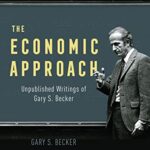
The Economic Approach: Unpublished Writings of Gary S. Becker
by Gary S. Becker
“Gary S. Becker, The Economic Approach: Unpublished Writings of Gary S. Becker. I am honored to have blurbed this book.” — Source, October 2023
The Pole
by J.M. Coetzee
“J.M. Coetzee, The Pole. Short, compelling, self-contained, again deals with older men who have not resolved their issues concerning sex. Good but not great Coetzee.” — Source, October 2023
The MANIAC
by Benjamin Labatut
“Benjamin Labutut, The Maniac. Chilean author, he has penned the story of von Neumann but in the latter part of the book switches to contemporary AI and AlphaGO, semi-fictionalized. Feels vital and not tired, mostly pretty good.” — Source, October 2023
Doppelganger: A Trip into the Mirror World
by Naomi Klein · 2023
“Naomi Klein, Doppelganger: A Trip into the Mirror World. How much insight and self-awareness can one intellectually crazy person have about being confused for another intellectually crazy person? Quite a bit, it turns out. Recommended, though with the provision that I understand you never felt you needed to read a whole book about such a topic.” — Source, October 2023

Schubert: A Musical Wayfarer
by Lorraine Byrne Bodley
“Lorraine Byrne Bodley, Schubert: A Musical Wayfarer. Super-thorough, everything about Schubert and most of all his music.” — Source, August 2023
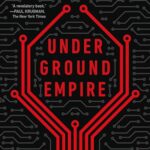
Underground Empire: How America Weaponized the World Economy
by Henry Farrell
“Henry Farrell and Abraham Newman, Underground Empire: How America Weaponized the World Economy. This book in preprint form was well ahead of its time, and now it is coming out in a super-timely fashion.” — Source, August 2023

Schoenberg: Why He Matters
by Harvey Sachs
“Harvey Sachs, Schoenberg: Why He Matters. A very good introduction to a composer who truly matters. Also a good (short) portrait of Vienna at that time. It also admits that a lot of his work wasn’t that good, and helps you separate the better from the worse.” — Source, August 2023

American Classicist: The Life and Loves of Edith Hamilton
by Victoria Houseman
“Victoria Houseman, American Classicist: The Life and Loves of Edith Hamilton. A good and fun book. Interesting throughout, and drives home the point about just how early Hamilton did her most important work on mythology. It remains widely read today.” — Source, August 2023

The Case of Ireland: Commerce, Empire and the European Order, 1750-1848
by James Stafford
“James Stafford, The Case of Ireland: Commerce, Empire and the European Order, 1750-1848. An excellent and well-researched books, most interesting on the Irish Union of 1800-1801 and how and why so many classical liberals favored it. Consistently instructive on earlier Irish thought on trade as well.” — Source, August 2023

Concordant Discord: The Interdependence of Faiths
by R.C. Zaehner
“R.C. Zaehner, Concordant Discord: The Interdependence of Faiths. Half of this volume is amazing, the other half meandering. The best parts are on Hinduism and Buddhism, and how they can best be understood in relation to Western religions.” — Source, August 2023

Zhou Enlai: A Life
by Chen Jian
“Then there is Jian Chen’s Zhou Enlai: A Life, which seems like a major achievement. I’ve only had time to read small amounts of it…is it “too soon to tell”? I say no!” — Source, January 2024
Transforming Noise: A History of Science and Technology from Disturbing Sounds to Informational Errors, 1900-1955
by Chen-Pang Yeang
“In return for a referee report, I requested Chen-Pang Yeang, Transforming Noise: A History of Science and Technology from Disturbing Sounds to Informational Errors, 1900-1955. This book is good background for understanding late Fischer Black.” — Source, May 2024

What Are Children For?: On Ambivalence and Choice
by Anastasia Berg
“Anastasia Berg and Rachel Wiseman, What Are Children For?: On Ambivalence and Choice is not a book for me right now (thus I haven’t read it), but the authors are very smart and thus it is worthy of mention.” — Source, May 2024
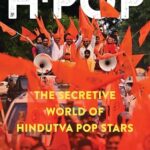
H-Pop: The Secretive World of Hindutva Pop Stars
by Kunal Purohit
“Kunal Purohit, H-Pop: The Secretive World of Hindutva Pop Stars. If you are an outsider and looking for a good “micro-study” to understand India, this is a good place to start.” — Source, May 2024

Understanding Ethiopia’s Tigray War
by Martin Plaut
“Martin Plaut and Sarah Vaughan, Understanding Ethiopia’s Tigray War. Clear and to the point, the best book I know on this topic. It is also especially clear on the roles of Eritrea and Somalia.” — Source, May 2024
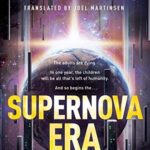
Supernova Era
by Cixin Liu
“Cixin Liu, Supernova Era. An A+ plot premise (I won’t spoil it), the story goes downhill somewhat but still worth reading.” — Source, May 2024
Heroes of Progress: 65 People Who Changed the World
by Alexander C.R. Hammond
“Alexander C.R. Hammond, Heroes of Progress: 65 people who changed the world, with a forward by Steven Pinker. Starts with Gutenberg, of course Norman Borlaug is included, don’t forget Cobden, Bentham, Frederick Douglass, and many others. Well done.” — Source, May 2024
Co-Intelligence: Living and Working with AI
by Ethan Mollick
“Ethan Mollick is the best and most thorough Twitter commentator on LLMs, he now has a forthcoming book Co-Intelligence.” — Source, March 2024

Parliamentary America: The Least Radical Means of Radically Repairing Our Broken Democracy
by Maxwell Stearns
“Maxwell Stearns, Parliamentary America: The Least Radical Means of Radically Repairing our Broken Democracy argues for proportional representation and accompanying reforms.” — Source, March 2024

Slouch: Posture Panic in Modern America
by Beth Linker
“Beth Linker, Slouch: Posture Panic in Modern America. For a long time I’ve been thinking there should be a good book on this topic, and now there is one. Both fun and interesting.” — Source, March 2024

Hannah’s Children: The Women Quietly Defying the Birth Dearth
by Catherine Pakaluk
“Catherine Pakaluk, Hannah’s Children: The Women Quietly Defying the Birth Dearth. About five percent of American women end up having five children or more — what do you learn by talking to them? The author herself has eight children.” — Source, March 2024
Battle Ground: Ten Conflicts that Explain the New Middle East
by Christopher Phillips
“Christopher Phillips, Battle Ground: Ten Conflicts that Explain the New Middle East. A good, “simple enough” introduction to the wars going on in Syria, Yemen, and other parts of the Middle East.” — Source, March 2024

From Genghis Khan to Tamerlane: The Reawakening of Mongol Asia
by Peter Jackson
“Recent and noteworthy is Peter Jackson, From Genghis Khan to Tamerlane: The Reawakening of Mongol Asia. You may recall that the Mongol empire at its peak was much larger than the Roman empire at its peak.” — Source, January 2024
Explaining Successes in Africa: Things Don’t Always Fall Apart
by Erin Accampo Hern
“Erin Accampo Hern, Explaining Successes in Africa: Things Don’t Always Fall Apart. I found this book highly readable and instructive, but I find it more convincing if you reverse the central conclusion. Still, this book “tells you how things actually are,” and that is more important than any objections one might lodge.” — Source, January 2024
The Children of Athena: Greek Intellectuals in the Age of Rome: 150 BC-400 AD
by Charles Freeman
“Charles Freeman, The Children of Athena: Greek Intellectuals in the Age of Rome. If you want background on the import of what is to come, this book is a good place to start. And it is a good and useful work more generally.” — Source, January 2024

Motorhome Prophecies: A Journey of Healing and Forgiveness
by Carrie Sheffield
“Carrie Sheffield, Motorhome Prophecies: A Journey of Healing and Forgiveness. A highly effective and harrowing tale of a lifetime journey from abuse to Christianity.” — Source, January 2024
Pox Romana: The Plague that Shook the Roman World
by Colin Elliott
“Colin Elliott, Pox Romana: The Plague that Shook the Roman World. Think of this as a sequel to Kyle Harper’s tract on Roman plagues and their political import, this look at the Antonine plague and its impact has both good history and good economics. It is also highly readable.” — Source, January 2024
Not the End of the World: How We Can be the First Generation to Build a Sustainable Planet
by Hannah Ritchie
“Hannah Ritchie, Not the End of the World: How We Can be the First Generation to Build a Sustainable Planet. An excellent book with sound conclusions, think of it as moderate Julian Simon-like optimism on environmental issues, but with left-coded rhetoric.” — Source, January 2024

Default: The Landmark Court Battle over Argentina’s $100 Billion Debt Restructuring
by Gregory Makoff
“Gregory Makoff, Default: The Landmark Court Battle over Argentina’s $100 Billion Debt Restructuring. This is both a good book on how the law handles sovereign defaults and useful background to what Milei is trying to undo in Argentina.” — Source, May 2024

A Life for Liberty: The Making of an American Originalist
by Randy Barnett
“Randy Barnett, A Life for Liberty: The Making of an American Originalist, is a 616 pp. well-written memoir of a prominent libertarian legal theorist.” — Source, May 2024
Cypria: A Journey to the Heart of the Mediterranean
by Alex Christofi
“Alex Christofi has written Cypria: A Journey to the Heart of the Mediterranean, which is the book I will take to Cyprus when I go there.” — Source, May 2024

Taxocracy: What You Don’t Know About Taxes and How They Rule Your Daily Life
by Scott Hodge
“Scott Hodge, Taxocracy: What You Don’t Know About Taxes & How They Rule Your Daily Life. An excellent short book on the power of tax incentives, written by the former head of the National Tax Foundation. Incentives matter!” — Source, May 2024
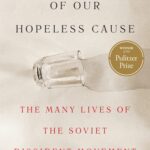
To The Success of Our Hopeless Cause: The Many Lives of the Soviet Dissident Movement
by Benjamin Nathans
“Benjamin Nathans, To The Success of Our Hopeless Cause: The Many Lives of the Soviet Dissident Movement. The definitive book on its topic, consisting largely of profiles of dissidents. The title is taken from a longstanding dissident toast, and yet they won eventually, sort of.” — Source, May 2024
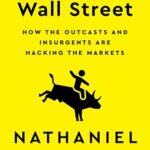
The Trolls of Wall Street: How the Outcasts and Insurgents are Hacking the Markets
by Nathaniel Popper
“Still in my pile is Nathaniel Popper’s The Trolls of Wall Street: How the Outcasts and Insurgents are Hacking the Markets, which covers the WallStreetBets phenomenon.” — Source, June 2024
Revisiting South Africa’s Nuclear Weapons Program: Its History, Dismantlement, and Lessons for Today
by David Albright
“David Albright with Andrea Stricker, Revisiting South Africa’s Nuclear Weapons Program: Its History, Dismantlement, and Lessons for Today. It is odd how little-mentioned this episode in world history has become, in any case this is the go-to book on it, interesting throughout.” — Source, June 2024
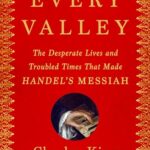
Every Valley: The Desperate Lives and Troubled Times That Made Handel’s Messiah
by Charles King
“Charles King, Every Valley: The Desperate Lives and Troubled Times That Made Handel’s Messiah. This is what you would want from a book on Handel’s Messiah. I hadn’t known that Handel was briefly supported by the Medici in Florence.” — Source, June 2024
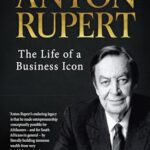
Anton Rupert: The Life of a Business Icon
by Ebbe Dommisse
“Ebbe Dommissse, Anton Rupert: The Life of a Business Icon is a very favorable biography of who was probably South Africa’s richest man, with cigarettes being the central part of his business empire.” — Source, June 2024

Cull of the Wild: Killing in the Name of Conservation
by Hugh Warwick
“Hugh Warwick, Cull of the Wild: Killing in the Name of Conservation. A well-written and subtle account of the tensions and paradoxes involved in attempts to conserve nature. What if conserving one animal leads to the destruction of others?” — Source, June 2024
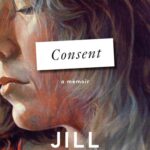
Consent: A Memoir
by Jill Ciment
“Jill Ciment, Consent: a memoir. A good short book on how you can have a creepy life for decades, and not be so aware of it.” — Source, June 2024
New Masters of the Baltic
by Arthur Brown Ruhl
“Arthur Brown Ruhl, New Masters of the Baltic, a travel book from 1921. If you visit any place, you always should try to read a much earlier travel book on said place. Fantastic for perspective, indefensible but nonetheless insightful generalizations, and these books give you a sense for just how contingent history can be.” — Source, July 2024

Estonia
by Neil Taylor
“Neil Taylor, Estonia: A Modern History, is by far the best history I have found on that country. It also has a rave blurb from Robert Service.” — Source, July 2024

The Truth About Immigration: Why Successful Societies Welcome Newcomers
by Zeke Hernandez
“Zeke Hernandez, The Truth About Immigration: Why Successful Societies Welcome Newcomers, delivers exactly what its title promises.” — Source, July 2024

Aalto in Detail: A Catalogue of Components
by Celine Dietziker
“Celine Dietziker and Lukas Gruntz, Aalto in Detail: A Catalogue of Components. I hadn’t realized just how much he was a “micro architect.” This book, for instance, has a fantastic collection of different photos of stairs he designed. This is a book for me.” — Source, July 2024

The German Historicist Tradition
by Frederick C. Beiser
“Frederick C. Beiser, The German Historicist Tradition. Lengthy and dense, but full of good material and written with extreme indeed almost unbelievable clarity. The historicists are these days the underdiscussed approach in the history of German thought. If nothing else, this book is also excellent background for grasping the development of Austrian School methodology in economics. After reading it, I did proceed to order further books by the same author.” — Source, July 2024
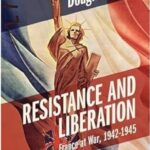
Resistance and Liberation: France at War 1942-1945
by Douglas Porch
“Douglas Porch, Resistance and Liberation, France at War 1942-1945. Too detailed for my purposes, so I stopped reading it. But this volume seems to be a major historical achievement, and a must read for at least some subset of humans.” — Source, July 2024
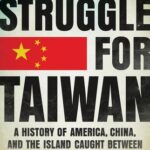
The Struggle for Taiwan: A History of America, China, and the Island Caught Between
by Sulmaan Wasif Khan
“Sulmaan Wasif Khan, The Struggle for Taiwan: A History of America, China, and the Island Caught Between. I’ve been following this issue for a long time, so I don’t feel I learned much from this book. But for most people, especially younger people, it is a very good introduction to the longer history.” — Source, July 2024

Father Time: A Natural History of Men and Babies
by Sarah Blaffer Hrdy
“Sarah Blaffer Hrdy, Father Time: A Natural History of Men and Babies, offers a scientific look at how fatherhood and raising children changes the minds, bodies, and behaviors of men.” — Source, July 2024
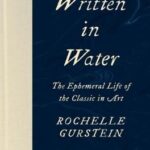
Written in Water: The Ephemeral Life of the Classic in Art
by Rochelle Gurstein
“Rochelle Gurstein, Written in Water: The Ephemeral Life of the Classic in Art. On the importance of classics, and common standards for classics, if art is going to challenge and improve us. The book is also sufficiently appreciative of Canova, one of the most impressive artists of all time but somehow these days underdiscussed.” — Source, July 2024

Stravinsky: The Second Exile, France and America 1934-1971
by Stephen Walsh
“Stephen Walsh, Stravinsky: The Second Exile, France and America 1934-1971. Yes, it made me order and want to read the first volume as well. This is likely the best biography of Stravinsky and his musical times.” — Source, July 2024

The Thirteenth Greatest of Centuries, II
by James J. Walsh
“James J. Walsh, The Thirteenth Greatest of Centuries. Eccentric, published long ago, not correct, yet full of vitality and insight. So many of the key pieces of the West already were in place by that time. So recommended, this one just has been reissued.” — Source, July 2024

Weep, Shudder, Die: On Opera and Poetry
by Dana Gioia
“Weep, Shudder, and Die: On Opera and Poetry, is Dana’s forthcoming book on opera. He claims that Sweeney Todd is one of the two greatest American operas.” — Source, October 2024
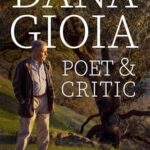
Dana Gioia: Poet & Critic
by John Zheng
“Dana Gioia: Poet & Critic, edited by John Zheng and Jon Parrish, is a series of essays in honor of Dana and a very good introduction to his life and work.” — Source, October 2024

Gobsmacked! The British Invasion of American English
by Ben Yagoda
“Ben Yagoda, Gobsmacked! The British Invasion of American English is great fun, either to read or to browse. I do for instance use some of these words: one-off, go missing, curate, early days, kerfuffle, easy peasy, and cheeky.” — Source, October 2024
How the World Made the West: A 4,000 Year History
by Josephine Quinn
“Josephine Quinn, How the World Made the West: A 4,000 Year History is too chatty/friendly a book for me, but for many readers it is probably worthwhile.” — Source, October 2024
Inside Thatcher’s Monetarism Experiment: The Promise, The Failure, The Legacy
by Tim Lankester
“Tim Lankester, Inside Thatcher’s Monetarism Experiment: The Promise, The Failure, The Legacy, the author was on the scene in the Thatcher government.” — Source, October 2024
Hitler’s People: The Faces of the Third Reich
by Richard J. Evans
“Richard J. Evans, Hitler’s People: The Faces of the Third Reich. This very well-reviewed book does not seem to have either new data or new theory, as yes it does show a lot of the Nazis were “pretty ordinary people.” Yet it is so well-written and well-presented that it deserves a high recommendation nonetheless.” — Source, October 2024
Democracy’s Resilience to Populism’s Threat
by Kurt Weyland
“Kurt Weyland, Democracy’s Resilience to Populism’s Threat. This book has useful data, and perhaps it is a useful corrective to the most extreme fears out there. But overall it does more to persuade me of the opposite conclusion, namely that populism is a real threat.” — Source, October 2024

Goodbye Russia: Rachmaninoff in Exile
by Fiona Maddocks
“Fiona Maddocks, Goodbye Russia: Rachmaninoff in Exile. Captures the spirit of the man and his music, and a good addition to the growing literature on European cultural exiles in America. Readable and to the point.” — Source, October 2024

Uncle Rabbit & the Wax Doll
by Jonathan Amith
“Uncle Rabbit & the Wax Doll, edited by Jonathan Amith, illustrations by Inocencio Jiménez Chino, a very good and beautiful children’s book, also in Nahuatl and Spanish.” — Source, December 2024

Loving Sylvia Plath: A Reclamation
by Emily Van Duyne
“Emily Van Duyne, Loving Sylvia Plath: A Reclamation. I don’t feel this book is what I need at the margin, but it is a very good and engaging addition to the canon surrounding Plath.” — Source, December 2024

Paleoeconomics: Climate Change and Economic Development in Prehistory
by Ola Olsson
“Ola Olsson, Paleoeconomics: Climate Change and Economic Development in Prehistory surveys plenty of information about what the subtitle suggests. I found the material difficult to evaluate, and so only read part of this one. Nonetheless I suspect it is the best book on its topic.” — Source, December 2024

Pierre Boulez: Organised Delirium
by Caroline Potter
“Caroline Potter, Pierre Boulez: Organised Delirium. An excellent work, explores the deep links between Boulez’s music and French surrealism (and to a lesser degree expressionism). One of the best books for understanding Boulez and indeed serialism more generally.” — Source, December 2024
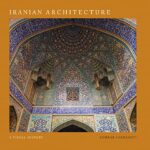
Iranian Architecture: A Visual History
by Sohrab Sardashti
“Sohrab Sardashti, Iranian Architecture:A Visual History. One of the very best picture books, both for intrinsic reasons and because many of us cannot expect to see these landmarks anytime soon if at all.” — Source, December 2024

Houses that Sugar Built: An Intimate Portrait of Philippine Ancestral Homes
by Gina Consing McAdam
“Gina Consing McAdam and Siobhan Doran, Houses that Sugar Built: An Intimate Portrait of Philippine Ancestral Homes. An excellent picture book, these are art traditions, and bits of history, you otherwise never would see.” — Source, December 2024
Polis: A New History of the Ancient Greek City-State from the Early Iron Age to the End of Antiquity
by John Ma
“John Ma, Polis: A New History of the Ancient Greek City-State from the Early Iron Age to the End of Antiquity. I didn’t read much of this book, mostly because it is too good for me to understand just how good it is. A small number of you, however, should read this book very carefully and perhaps you already have.” — Source, December 2024
Why Aquinas Matters Now
by Oliver Keenan
“Of interest to some is Oliver Keenan, Why Aquinas Matters Now.” — Source, December 2024
The Brothers Grimm: A Biography
by Ann Schmiesing
“Ann Schmiesing, The Brothers Grimm: A Biography fleshes out of our knowledge of the German Romantic period.” — Source, December 2024
The Measure of Economies: Measuring Productivity in an Age of Technological Change
by Marshall B. Reinsdorf
“Marshall B. Reinsdorf and Louise Sheiner, The Measure of Economics: Measuring Productivity in an Age of Technological Change, is a very useful and well-reasoned book.” — Source, December 2024
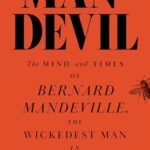
Man-Devil: The Mind and Times of Bernard Mandeville, The Wickedest Man in Europe
by John Callanan
“John Callanan, Man-Devil: The Mind and Times of Bernard Mandeville, The Wickedest Man in Europe, is a good treatment of an underrated and still under-read Dutch thinker.” — Source, December 2024
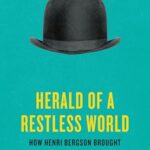
Herald of a Restless World: How Henri Bergson Brought Philosophy to the People
by Emily Herring
“Emily Herring, Herald of a Restless World: How Henri Bergson Brought Philosophy to the People. It is good to see more on Bergson in English. I had not known that the best man at his wedding was Marcel Proust (they were cousins by marriage and Proust was not yet famous).” — Source, December 2024
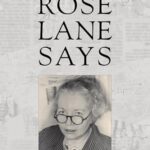
Rose Lane Says: Thoughts on Race, Liberty, and Equality, 1942-1945
by David T. Beito
“Rose Lane Says: Thoughts on Race, Liberty, and Equality, 1942-1945. A hitherto little-known corner of libertarian thought, these short essays are very good and could be a useful tonic for some of what has gone wrong. Edited by David T. Beito and Marcus Witcher.” — Source, December 2024
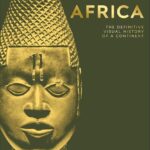
Africa: The Definitive Visual History of a Continent
by DK
“Africa: the Definitive Visual History of a Continent, Penguin Random House. One of my favorite picture books of all time. It teaches the broader history of Africa by region rather than by country. First-rate maps and photos throughout.” — Source, December 2024
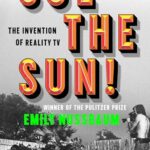
Cue the Sun! The Invention of Reality TV
by Emily Nussbaum
“Emily Nussbaum, Cue the Sun! The Invention of Reality TV. Despite its excellent reviews, I resisted buying this book for a while, because most books on TV are not good. But the Nussbaum book is a true winner, the Candid Camera chapter alone makes it worth it. Recommended, both for its entertainment and its substance value.” — Source, December 2024
The Quantity Theory of Money: A Restatement
by Tim Congdon
“There is Tim Congdon, The Quantity Theory of Money: A Restatement, a good introduction.” — Source, January 2025

Franz Liszt: The Weimar Years, 1848-1861
by Alan Walker
“Alan Walker, Franz Liszt: The Weimar Years, 1848-1861. Walker’s three-volume biography of Liszt is one of the very best biographies, ever. I like it better than most of what you hear people talk about on Twitter in the way of biography. You do need some familiarity with the music of Liszt to grasp these books, but it suffices to listen along while you read, you do not have to be an expert.” — Source, January 2025

Arise, England: Six Kings and the Making of the English State
by Caroline Burt
“Caroline Burt and Richard Partington, Arise, England: Six Kings and the Making of the English State. Very good to read in conjunction with the recent Helen Castor book. Burt and Partington reach earlier in time by focusing on the Edwards, but you can compare their treatments of Richard II, and that is what I am starting with here.” — Source, January 2025

Electric Eden: Unearthing Britain’s Visionary Music
by Rob Young
“Rob Young, Electric Eden: Unearthing Britain’s Visionary Music. This book covers Fairport Convention and its many folk offshoots, and ties it in to earlier British traditions of Vaughan Williams, Bax, Holst and so on, plus traditional song and yes The Wicker Man. This is the right book, and it is also a good way to try to understand Britain (a much written-up place) by unusual, roundabout means.” — Source, January 2025
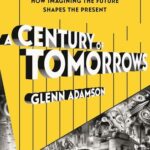
A Century of Tomorrows: How Imagining the Future Shapes the Present
by Glenn Adamson
“Glenn Adamson, A Century of Tomorrows: How Imagining the Future Shapes the Present. A good book on futurology and its history, note the authors considers more than tech in the narrow sense so Marcus Garvey and Marinetti are in here too. Sun Ra too.” — Source, January 2025

Yankee Leviathan: The Origins of Central State Authority in America, 1859-1877
by Richard Franklin Bensel
“Richard Franklin Bensel, Yankee Leviathan: The Origins of Central State Authority in America, 1859-1877. Excellent all around, clear and conceptual from the get-go. In spite of the title, I find the sections on Confederate state-building most novel and illuminating.” — Source, January 2025
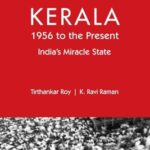
Kerala, 1956 to the Present: India’s Miracle State
by Tirthankar Roy
“Tirthankar Roy and K. Ravi Raman, Kerala: 1956 to the Present. Short, nonetheless the best book I have read on why Kerala is (somewhat) special in the Indian context. Stresses Kerala as part of a larger set of positive South Indian developments.” — Source, January 2025

The Origins of Poverty and Wealth
by Rainer Zitelmann
“Rainer Zitelmann, The Origins of Poverty and Wealth: My World Tour and Insights from the Global Libertarian Movement is a kind of travel memoir from a man who has become one of our most prolific writers on behalf of liberty.” — Source, February 2025

Focus: The ASML Way, Inside the Power Struggle Over the Most Complex Machine on Earth
by Marc Hijink
“Marc Hijink, Focus: The ASML Way, Inside the Power Struggle Over the Most Complex Machine on Earth. You have to already want to read a book about ASML, but this is in fact the relevant book about ASML. To call it boring is to miss the point, because the company itself is somewhat boring.” — Source, February 2025
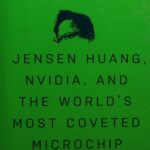
The Thinking Machine: Jensen Huang, Nvidia, and the World’s Most Coveted Microchip
by Stephen Witt
“Stephen Witt, The Thinking Machine: Jensen Huang, Nvidia, and the World’s Most Coveted Microchip. A fun and well-informed look at its subject matter. There should be more books on one of the world’s most valuable companies, and yes here supply is elastic.” — Source, February 2025

Spellbound: How Charisma Shaped American History From the Puritans to Donald Trump
by Molly Worthen
“Molly Worthen, Spellbound: How Charisma Shaped American History From the Puritans to Donald Trump is a very good book on an underexplored topic. In some ways tech has mattered less than you might think.” — Source, February 2025

Our Crumbling Foundation: How We Solve Canada’s Housing Crisis
by Gregor Craigie
“There is Gregor Craigie, Our Crumbling Foundation: How We Solve Canada’s Housing Crisis.” — Source, February 2025

Rain of Ruin: Tokyo, Hiroshima, and the Surrender of Japan
by Richard Overy
“Richard Overy, Rain of Ruin: Tokyo, Hiroshima, and the Surrender of Japan is a short but very good and substantive look at the non-nuclear and also nuclear bombing campaigns.” — Source, February 2025
The Purchase of the Danish West Indies
by Charles Callan Tansill
“Charles Callan Tansill, The Purchase of the Danish West Indies. Who would have thought that this 1966 volume, and Tansill, would be making a comeback? The biggest lesson for me here was how much the purchase was a live issue as early as 1867.” — Source, February 2025
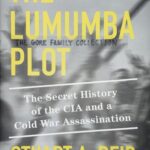
The Lumumba Plot: The Secret History of the CIA and a Cold War Assassination
by Stuart A. Reid
“Stuart A. Reid, The Lumumba Plot: The Secret History of the CIA and a Cold War Assassination. For whatever reason, there are more good books about the Congo than most other parts of Africa. This is one of them. From 2023, but good enough to make a “best of non-fiction” list for a typical year. Very cleanly written as well.” — Source, February 2025

Militant Modernism
by Owen Hatherley
“Owen Hatherley, Militant Modernism. A very good short book, defending “left wing modernism,” a much maligned target on the right these days. Hatherley himself is a much underrated figure, a commie who came along at the wrong time but a very good writer and thinker about aesthetics.” — Source, February 2025

The Intermediaries: A Weimar Story
by Brandy Schillace
“There is also Brandy Schillace, The Intermediaries: A Weimar Story.” — Source, February 2025

The Einstein of Sex: Dr. Magnus Hirschfeld Visionary of Weimar Berlin
by Daniel Brook
“There is Daniel Brook, The Einstein of Sex: Dr. Magnus Hirschfeld Visionary of Weimar Berlin. It is good to see him getting more attention.” — Source, February 2025

Who Needs College Anymore? Imagining a Future Where Degrees Don’t Matter
by Kathleen deLaski
“Kathleen deLaski, Who Needs College Anymore? Imagining a Future Where Degrees Don’t Matter. One of a growing chorus of books suggesting higher education is on the verge of some radical changes.” — Source, February 2025

The Science of Free Will: How Determinism Affects Everything from the Future of AI to Traffic to God to Bees
by Samir Varma
“I agree with the central arguments of Samir Varma’s The Science of Free Will: How Determinism Affects Everything from the Future of AI to Traffic to God to Bees. I was happy to write a foreword for the book.” — Source, February 2025
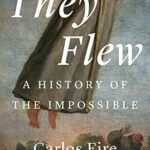
They Flew: A History of the Impossible
by Carlos M.N. Eire
“Carlos M.N. Eire, They Flew: A History of the Impossible. Ross Douthat recommended this one to me. It is well done, and worth reading, but I don’t find it shifted my priors on whether “impossible” events might have really happened.” — Source, February 2025

In the Brewing Luminous: The Life and Music of Cecil Taylor
by Philip Freeman
“Philip Freeman, In the Brewing Luminous: The Life and Music of Cecil Taylor. Call me crazy, but I think Sun Ra and Taylor are better and more important musically than say Duke Ellington. Freeman’s book is the first full-length biography of Taylor, and it is well-informed and properly appreciative.” — Source, February 2025
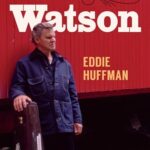
Doc Watson: A Life in Music
by Eddie Huffman
“Eddie Huffman, Doc Watson: A Life in Music. A fun book about one of America’s greatest guitarists. Watson was blind from an early age, and he was collecting state disability benefits until he was 40 — a classic late bloomer.” — Source, February 2025
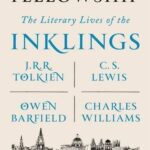
The Fellowship: The Literary Lives of the Inklings: J.R.R. Tolkien, C.S. Lewis, Owen Barfield, Charles Williams
by Philip Zaleski
“Philip Zaleski and Carol Zaleski, The Fellowship: The Literary Lives of the Inklings: J.R.R. Tolkien, C.S. Lewis, Owen Barfield, Charles Williams. I was in the mood of thinking I don’t need to read another book about these people. Yet this one was so good it won me over nonetheless.” — Source, February 2025
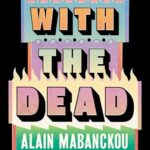
Dealing with the Dead
by Alain Mabanckou
“Alain Mabanckou, Dealing with the Dead. Most African fiction does not connect with me, and there is a tendency for the reviews to be untrustworthy. This “cemetery memoir,” from the Congo (via UCLA), connected with me and held my interest throughout.” — Source, February 2025

Friends Until the End: Edmund Burke and Charles Fox in the Age of Revolution
by James Grant
“And there is James Grant, Friends Until the End: Edmund Burke and Charles Fox in the Age of Revolution.” — Source, March 2025
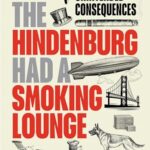
Why the Hindenburg Had a Smoking Lounge: Essays in Unintended Consequences
by Edward Tenner
“Edward Tenner, Why the Hindenburg Had a Smoking Lounge: Essays in Unintended Consequences, collects many earlier essays by the master. From The American Philosophical Society Press, a new venture.” — Source, March 2025
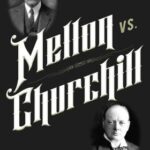
Mellon vs. Churchill: The Untold Story of Treasury Titans at War
by Jill Eicher
“And Jill Eicher, Mellon vs. Churchill: The Untold Story of Treasury Titans at War.” — Source, March 2025
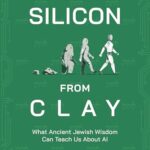
Like Silicon from Clay: What Ancient Jewish Wisdom Can Teach Us About AI
by Michael M. Rosen
“There is Michael M. Rosen, Like Silicon from Clay: What Ancient Jewish Wisdom Can Teach Us About AI.” — Source, March 2025
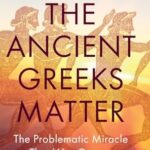
Why the Ancient Greeks Matter: The Problematic Miracle that Was Greece
by Reviel Netz
“Reviel Netz, Why the Ancient Greeks Matter: The Problematic Miracle that Was Greece. Uneven but periodically fascinating: “But science was but a small part of the Greek cultural sphere and it would be surprising if the overall contours of Greek cultural life could be explained through science alone.”” — Source, March 2025
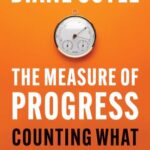
The Measure of Progress: Counting What Really Matters
by Diane Coyle
“Diane Coyle has a new book coming out, The Measure of Progress: Counting What Really Matters.” — Source, March 2025

Yoko: A Biography
by David Sheff
“David Sheff, Yoko: A Biography. An excellent work, I view Yoko as a quite good visual and conceptual artist, a sometimes quite interesting but hard to listen to in any volume musical creator, and overall a pretty stunning woman. Sheff has known Yoko well for decades, so you get a real sense of her from this book, even if you wonder that perhaps not all details are being reported.” — Source, March 2025

Gods, Guns and Missionaries: The Making of the Modern Hindu Identity
by Manu S. Pillai
“Manu S. Pillai, Gods, Guns and Missionaries: The Making of the Modern Hindu Identity. It may be fruitless to argue about this topic on-line, but almost all Westerners under-read when the topic is Hinduism.” — Source, June 2025
Phineas Finn
by Anthony Trollope
“Anthony Trollope, Phineas Finn. One of the best Trollope novels it seems, even though it is not (yet?) clear what the plot actually consists of. Currency decimalization is also one of the side plots, who can argue with that?” — Source, June 2025
The Indo-Europeans Rediscovered: How a Scientific Revolution is Rewriting Their Story
by J.P. Mallory
“J.P. Mallory, The Indo-Europeans Rediscovered: How a Scientific Revolution is Rewriting Their Story. The best book I know of on the origins and unities of Indo-European languages. I had not known Edward Sapir was born in Pomerania.” — Source, June 2025
I Who Have Never Known Men
by Jacqueline Harpman
“Jacqueline Harpman, I Who Never Known Men. I enjoyed this novel: “Deep Underground, thirty-nine women live imprisoned in a cage. Watched over by guards, the women have no memory of how they got there, no notion of time, and only a vague recollection of their lives before.”” — Source, June 2025

Gertrude Stein: An Afterlife
by Francesca Wade
“Francesca Wade, Gertrude Stein: An Afterlife. One of the best-written biographies I have read in years. I would not say it is close to my core interests, but if you think you might like it you will.” — Source, June 2025
How Progress Ends: Technology, Innovation, and the Fate of Nations
by Carl Benedikt Frey
“There is Carl Benedikt Frey, How Progress Ends: Technology, Innovation, and the Fate of Nations.” — Source, August 2025
Human Capital for Humans: An Accessible Introduction to the Economic Science of People
by Pablo A. Peña
“Pablo A. Pena, Human Capital for Humans: An Accessible Introduction to the Economic Science of the People, is a good popular-level introduction to human capital theory.” — Source, August 2025

The World at First Light: A New History of the Renaissance
by Bernd Roeck
“Bernd Roeck, The World at First Light: A New History of the Renaissance. 934 pp. of text, covers too many topics in too desultory a fashion?” — Source, August 2025
Less: A Novel
by Andrew Sean Greer
“Andrew Sean Greer, Less: A Novel. I do not like much in contemporary American fiction, but so far I am quite enjoying this one.” — Source, August 2025

Born in Flames: The Business of Arson and the Remaking of the American City
by Bench Ansfield
“Bench Ansfield, Born in Flames: The Business of Arson and the Remaking of the American City. Whenever a book demonstrates what people in New Jersey have known for decades, usually it is a good book.” — Source, August 2025
My Journeys in Economic Theory
by Edmund Phelps
“Edmund Phelps, My Journeys in Economic Theory. A fascinating memoir, I had not known he was so obsessed with Rawls and Nagel. He also loved the tenor Franco Corelli, and was a Birgit Nilsson fan too. Recommended, for those who like this sort of thing, and who already are familiar with the cast of characters.” — Source, August 2025
The First King of England: Aethelstan and the Birth of a Kingdom
by David Woodman
“David Woodman, The First King of England: Aethelstan and the Birth of a Kingdom. An excellent work. One of the best books on early English history, and also one of the best books on how the Dark Ages morphed into early Medieval times. Usually I find treatments in both areas difficult to follow, but this one produces a coherent and also non-exaggerated narrative. It also will make you want to visit Northumbria.” — Source, August 2025

Earth Shapers: How We Mapped and Mastered the World, From the Panama Canal to the Baltic Way
by Maxim Samson
“I enjoyed Maxim Samson, Earth Shapers: How We Mapped and Mastered the World, From the Panama Canal to the Baltic Way.” — Source, October 2025

Central Europe: The Death of a Civilization and the Life of an Idea
by Luka Ivan Jukic
“Luka Ivan Jukic, Central Europe: The Death of a Civilization and the Life of an Idea. I took this sentence to encapsulate the main lesson of the book, namely that this does not usually work: “Central Europeans were, as ever, masterfully adept at rearranging polities into new configurations.”” — Source, October 2025

Rhodesia: A Complete History 1890-1980
by Peter Baxter
“Peter Baxter, Rhodesia: A Complete History 1890-1980. The most complete history of the country I have been able to find. Many of the other books contain a few dominant, non-false narratives, but one gets tired of that? I say LLMs come especially in handy for learning this history.” — Source, October 2025
The Highest Exam: How the Gaokao Shapes China
by Ruixue Jia
“Very well researched is The Highest Exam: How the Gaokao Shapes China, by Ruixue Jia and Hongbin Li, with Claire Cousineau.” — Source, October 2025
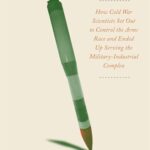
Strange Stability: How Cold War Scientists Set Out to Control the Arms Race and Ended up Serving the Military-Industrial Complex
by Benjamin Wilson
“Benjamin Wilson, Strange Stability: How Cold War Scientists Set Out to Control the Arms Race and Ended up Serving the Military-Industrial Complex is both interesting and has plenty of information on early Thomas Schelling and his precursors.” — Source, October 2025
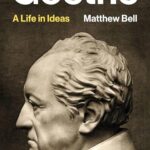
Goethe: A Life in Ideas
by Matthew Bell
“Matthew Bell, Goethe: A Life in Ideas. A beautiful book, now in English we have Nicholas Boyle’s work and also this. Bell is wise enough to understand and value Iphigenia auf Tauris, a good test for Goethe appeciation. Although I had a library copy out to read, I went ahead and bought a copy of this one to own.” — Source, October 2025
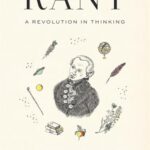
Kant: A Revolution in Thinking
by Marcus Willaschek
“Marcus Willaschek, Kant: A Revolution in Thinking. A very good book, perhaps the best introduction to Kant? Though for me it is mostly interior to my current knowledge set.” — Source, October 2025

Prague: The Heart of Europe
by Cynthia Paces
“And there is Cynthia Paces, Prague: The Heart of Europe.” — Source, October 2025
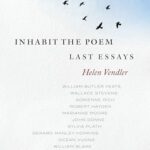
Inhabit the Poem: Last Essays
by Helen Vendler
“Helen Vendler, Inhabit the Poem: Last Essays. She wrote these for Leon Wieseltier’s magazine, and they are now collected after her passing. Self-recommending.” — Source, October 2025

The Unfinished Metropolis: Igniting the City-Building Revolution
by Benjamin Schneider
“Benjamin Schneider, The Unfinished Metropolis: Igniting the City-Building Revolution. How do we make urban transformation succeed in America’s largest and most important cities? What are the main obstacles to such success? Schneider calls for resurrecting the “lost art of city-building” to achieve abundant housing, good public transit, and streets for people instead of cars.” — Source, October 2025

The Healthcare Labyrinth: A Guide to Navigating Health Plans and Fixing American Health Insurance
by Marc S. Ryan
“Marc S. Ryan, The Healthcare Labyrinth: A Guide to Navigating Health Plans and Fixing American Health Insurance is a very good and balanced book on the economics of health care.” — Source, October 2025

The Wounded Generation: Coming Home After World War II
by David Nasaw
“David Nasaw, The Wounded Generaton: Coming Home After World War II. A good book showing just how much post-traumatic stress disorder there was during and after WWII.” — Source, October 2025
Against the Machine: On the Unmaking of Humanity
by Paul Kingsnorth
“Paul Kingsnorth, Against the Machine: On the Unmaking of Humanity. I’m not the sort of person to recommend these sorts of anti-tech books (they are a dime a dozen), but if you have to read one of them…this is maybe the most coherent, non-ridiculous, and philosophically oriented, in the good sense of course?” — Source, October 2025

The Blood in Winter: England on the Brink of Civil War, 1642
by Jonathan Healey
“Jonathan Healey, The Blood in Winter: England on the Brink of Civil War, 1642. What I found so compelling about this book was the step-by-step narrative of how the whole thing collapsed into very direct conflict and then an execution. Recommended.” — Source, October 2025
Modernism: A Literature in Crisis
by Terry Eagleton
“Terry Eagleton, Modernism: A Literature in Crisis. The book is short, its quality unevenly distributed, and the subtitle misleading (plenty of it is not about literature). It remains the case that Eagleton is one of the people who knows enough that he is almost always worth reading.” — Source, October 2025
The Permanent Problem: The Uncertain Transition from Mass Plenty to Mass Flourishing
by Brink Lindsey
“I expect I will very much agree with Brink Lindsey, The Permanent Problem: The Uncertain Transition from Mass Plenty to Mass Flourishing.” — Source, January 2026
Carthage: A New History
by Eve MacDonald
“Eve MacDonald, Carthage: A New History covers what we do know about those people. That isn’t much at the conceptual level, and I wonder why archaeology has not taught us more there.” — Source, January 2026
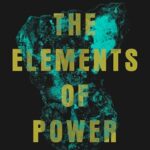
The Elements of Power: A Story of War, Technology, and the Dirtiest Supply Chain on Earth
by Nicolas Niarchos
“Nicolas Niarchos, The Elements of Power: A Story of War, Technology, and the Dirtiest Supply Chain on Earth is a good treatment of minerals issues as they relate to the Congo today. It will not make you more bullish on Rwanda, or for that matter the Congo.” — Source, January 2026

Planet Money: A Guide to the Economic Forces that Shape Your Life
by Alex Mayyasi
“Alex Mayyasi, Planet Money: A Guide to the Economic Forces that Shape Your Life is a useful introduction to economic concepts.” — Source, January 2026
Why Immigration Policy is Hard and How to Make it Better
by Alan Manning
“Alan Manning, Why Immigration Policy is Hard and How to Make it Better is a thoughtful and balanced look at its topic, recommended.” — Source, January 2026
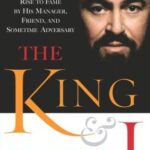
The King and I: The Uncensored Tale of Luciano Pavarotti’s Rise to Fame by his Manager, Friend, and Sometime Adversary
by Herbert Breslin
“Herbert Breslin and Anne Midgette, The King and I: The Uncensored Tale of Luciano Pavarotti’s Rise to Fame by his Manager, Friend, and Sometime Adversary. Usually people tell me books like this are “delightful,” and then they bore me to tears. This one actually is fantastically fun.” — Source, January 2026

Viacheslav Ivanov: A Symbolist Life
by Michael Wachtel
“Michael Wachtel, Viacheslav Ivanov: A Symbolist Life. 615 pp. of what Russian/Soviet cultural life was like in the early 20th century. Focuses on broader strands, rather than just the most famous names. Ivanov today is largely forgotten, but he was at the time arguably the most influential figure of that period.” — Source, January 2026

Carbon Hunters: Reflections and Forecasts of Climate Markets in the 21st Century
by Richard Sandor
“There is Richard Sandor and Paula DiPerna, Carbon Hunters: Reflections and Forecasts of Climate Markets in the 21st Century. Much of this is simply interesting material about Sandor himself.” — Source, January 2026
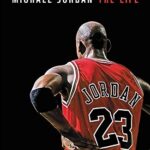
Michael Jordan: The Life
by Roland Lazenby
“Roland Lazenby, Michael Jordan: The Life. I learned much more from this book than I was expecting, it is flat out an excellent biography. Full of information and insight, and with a coherent narrative.” — Source, January 2026

My Nine Lives: A Memoir of Many Careers in Music
by Leon Fleisher
“Leon Fleisher and Anne Midgette, My Nine Lives: A Memoir of Many Careers in Music. Classical music is a wonderful area to read books in, much like World War II. Most of the books are written by very smart people, such as Fleisher, a top pianist in his time (try Fleisher-Szell for the Beethoven piano concerti). And they are written for very smart people.” — Source, January 2026
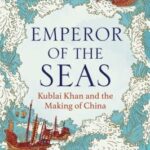
Emperor of the Seas: Kublai Khan and the Making of China
by Jack Weatherford
“Jack Weatherford, Emperor of the Seas: Kublai Khan and the Making of China. A fun and good book, think of it as explaining how Kublai Khan beat Song China but subsequently lost to Japan. The Ainu play a role in a wide-ranging and still historically relevant story.” — Source, January 2026

Maintenance: Of Everything: Part One
by Stewart Brand
“Stewart Brand, Maintenance: Of Everything: Part One. Capital depreciation, while it receives attention in economics, arguably is still underrated in import? Institutions can deteriorate or depreciate as well. The great Stewart Brand tackles this topic with the expected panache.” — Source, January 2026

The Tree Within: The Mexican Nobel Laureate Octavio Paz’s Years in India
by Indranil Chakravarty
“Indranil Chakravarty, The Tree Within: The Mexican Nobel Laureate Octavio Paz’s Years in India. Imagine a book that is interesting about both the cultures of Mexico and India. In addition to the one by Octavio Paz, that is. I lapped this one up eagerly, and I note it also has good coverage on the relationships between different Latin American writers and poets.” — Source, January 2026
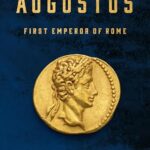
Augustus: First Emperor of Rome
by Adrian Goldsworthy
“Adrian Goldsworthy, Augustus: First Emperor of Rome. A very clear and readable treatment of one of the most important Romans. Exactly what you would expect from the author.” — Source, January 2026
The Boom in Spanish American Literature: A Personal History
by Jose Donoso
“Jose Donoso, The Boom in Spanish American Literature: A Personal History is a good short overview, noting that Donoso's own The Obscene Bird of Night is one of the great underrated works of 20th century literature.” — Source, March 2026
Inside the Box
How Constraints Make Us Better
by David Epstein · 2026 · Business
“David Epstein, Inside the Box: How Constraints Make Us Better. A good popular look at what the subtitle promises.” — Source, March 2026
On Natural Capital: The Value of the World Around Us
by Partha Dasgupta
“Partha Dasgupta, On Natural Capital: The Value of the World Around Us, is a popular summary of some of his thinking on valuing the environment and natural resources.” — Source, March 2026

The Driver’s Seat
by Muriel Spark
“Muriel Spark, The Driver's Seat. If you like her at all, you will be entranced by this one. With a radical ending, as you might expect.” — Source, March 2026

After the Flood: Inside Bob Dylan’s Memory Palace
by Robert Polito
“Robert Polito, After the Flood: Inside Bob Dylan's Memory Palace. An informationally dense, rambling, and frequently insightful and obsessive book about the "late" career period of Bob Dylan.” — Source, March 2026
The New Byzantines: The Rise of Greece and Return of the Near East
by Sean Mathews
“Sean Mathews, The New Byzantines: The Rise of Greece and Return of the Near East. An excellent and original book, somewhere between a history and travel book. Views Greece as part of "the Middle East." I found every page interesting.” — Source, March 2026
Villa and Zapata: A History of the Mexican Revolution
by Frank McLynn
“Frank McLynn, Villa and Zapata: A History of the Mexican Revolution. The best book on its topic, and one of the best books on Mexican history flat out. Everything is explained with remarkable clarity. By the way, the central government never really has controlled the entire country, or not for very long anyway.” — Source, March 2026
Ghost Stories
A Memoir
by Siri Hustvedt · Memoir
“Siri Hustvedt. Ghost Stories: A Memoir. About her history with her now-deceased husband Paul Auster, and how she dealt with his death. Moving and insightful, recommended.” — via Article, May 2026

Zima Blue and Other Stories
by Alastair Reynolds · Fiction
“Alastair Reynolds, “Zima Blue,” one of the better short stories about AI, and also aesthetics.” — via Article, June 2026
The Fall of Republics
A History from Ancient Carthage to the American Constitution
by Thomas F. Madden · History
“I liked all of Thomas F. Madden’s The Fall of Republics: A History from Ancient Carthage to the American Constitution, but most of all the section on Venice.” — via Article, June 2026
Worth the Risk
The Seven Myths that Keep Us from Taking the Chances We Need to Take
by Allison Schrager · Economics
“Allison Schrager is very good, including her new book Worth the Risk: The Seven Myths that Keep Us from Taking the Chances We Need to Take.” — via Article, June 2026
The Discovery of Insulin
by Michael Bliss
“An excellent biomedical history, noting that the key breakthrough came in Toronto in the 1920s.” — via Website

Fixing France: How to Repair a Broken Republic
by Nabila Ramdani
“What is wrong with France, from a French-Algerian point of view. The book is full of substance, and there aren’t enough “stand alone books on countries,” so this is a good one whether or not you agree with all of the observations.” — via Website

The Rebel’s Clinic: The Revolutionary Life of Frantz Fanon
by Adam Shatz
“Well-written and well-organized, this checks all the boxes for what I would want from a Fanon biography.” — via Website

Bad Therapy: Why the Kids Aren’t Growing Up
by Abigail Shrier
“I agree with many of the anti-therapy arguments in this book, but still I feel that “bad therapy” is a second-order phenomenon, not the initial cause of the growing mental health problems of America’s young people.” — via Website
A History of the Muslim World: From its Origins to the Dawn of Modernity
by Michael Cook
“Mostly ends at 1800, this will become one of the standard, must-read histories of Islam and its multiple homes. The section on India, which is what I have been reading, is strongly conceptual and novel compared to other survey books such as Hourani. At the very least a good book, possibly a great book.” — via Website
The Food of Southern Thailand
by Austin Bush
“The best book I know of on southern Thailand flat out. This one has recipes of course, but also photos, maps, anecdotes, and plenty of history. The food is explained in conceptual terms. Recommended, for all those with an interest.” — via Website

Immigration & Discrimination: (un)welcoming others
by Sahar Akhtar
“Can the idea of wrongful discrimination be applied to immigration decisions? Maybe you believe this is a pure and simple matter of national autonomy, but what if the potential immigrants are from a former and wronged colony? From an island nation perishing due to climate change?” — via Website
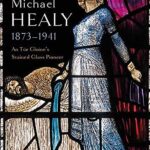
Michael Healy, 1873-1941, An Tur Gloine’s Stained Glass Pioneer
by David Caron
“An excellent book, can it be said that Michael Healy is Ireland’s fourth greatest stained glass artist? Clarke, Geddes, and Hone would be the top three? It is good to see him getting this attention. All the more reason to invest in this book. What an underrated European tradition.” — via Website

Erotic Vagrancy: Everything about Richard Burton and Elizabeth Taylor
by Roger Lewis
“An amazing book, full of life and energy on every page, and yes there are 605 of them. Imagine if Camille Paglia had stuck with it and produced case studies.” — via Website
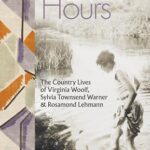
Rural Hours: The Country Lives of Virginia Woolf, Sylvia Townsend Warner, and Rosamond Lehmann
by Harriet Baker
“What is it like to be an unusual woman writer, with unusual proclivities, and have to build up or rebuild your work life in the countryside? There is now a whole book on this topic. Beautifully written, very British, will frustrate those who seek generalization but recommended nonetheless.” — via Website
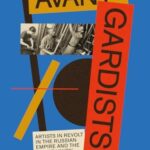
Avant-Gardists: Artists in Revolt in the Russian Empire and the Soviet Union
by Sjeng Scheijen
“My biggest learning from this volume was simply how important Vladimir Tatlin was as a leader of the Soviet avant-garde in the 1920s. He might have mattered as much as Malevich? It is worth buying and reading a book for an insight such as that.” — via Website

How Finland Survived Stalin: From Winter War to Cold War, 1939-1950
by Kimmo Rentola
“An excellent book, especially good on linking the Winter War with the fighting of 1944 and also the postwar settlments.” — via Website

Anbruch der Neuen Zeit: Das Dramatische 16. Jahrhundert
by Marina Munkler
“An excellent analytical overview of the 16th century, which of course is what set the stage for so much of what was to follow. Not surprisingly, has more of a Central European emphasis than many Anglo works on the same period.” — via Website
Hannah Hoch
by Dawn Ades
“As part of my attempt to brush up on the Weimar period, I have been reading and browsing through this excellent picture book of works by one of Germany’s most famous dada artists.” — via Website
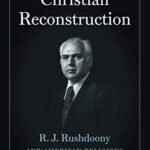
Christian Reconstruction: R. J. Rushdoony and American Religious Conservatism
by Michael J. McVicar
“Another very good book no one told me about, somehow I stumbled on it browsing Amazon. You can make Rushdoony sound like a nut, but you also can make him sound like one of the most influential figures in the 20th century history of American conservatism and also libertarianism.” — via Website
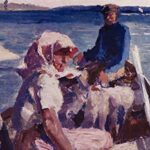
The People of Hemso
by August Strindberg
“Hardly anyone (non-Swedish?) reads this classic novel any more, but it holds up as one of the more compelling creations of its time. Direct and compelling. Swedish people on an island, but will this marriage work? Why has it so faded from our attentions?” — via Website

Tchaikovsky’s Empire: A New Life of Russia’s Greatest Composer
by Simon Morrison
“My favorite book about Tchaikovsky, engaging but it also covers the music for the music’s sake as well.” — via Website

Paradise Bronx: The Life and Times of New York’s Greatest Borough
by Ian Frazier
“An excellent, fun, and much-needed book. I liked the parts about the 20th century best. I am still longing for that cost-benefit analysis of the Cross-Bronx Expressway, though.” — via Website
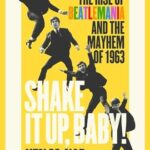
Shake It Up, Baby! The Rise of Beatlemania and the Mayhem of 1963
by Ken McNab
“At the beginning of that year, John and Paul despaired of making it as a rock band, and expected to end up as songwriters for other people, much like Goffin-King at the time. By the end of the year however… This is the story of how that happened. Very well done.” — via Website
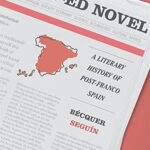
The Op-Ed Novel: A Literary History of Post-Franco Spain
by Becquer Seguin
“I liked this book very much, as it gave me extremely useful background on the Spanish fiction I enjoy. It may make less sense to read if you don’t already know the relevant fiction, but in any case a fine work.” — via Website

The Vietnam War: A Military History
by Geoffrey Wawro
“the single best book on its topic and is both intelligent and highly readable.” — via Website
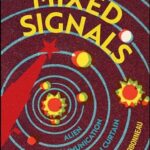
Mixed Signals: Alien Communication Across the Iron Curtain
by Rebecca Charbonneau
“This book fit well into my recent “Soviet science” reading program. This is more of a “Cold War” book than a “UFO book.” And I learned the full saga behind the Byrds song “C.T.A. – 102” for the first time.” — via Website

The Chess Revolution: From the Ancient World to the Digital Age
by Peter Doggers
“a good book, though it is mostly interior to my current knowledge set.” — via Website

Stranger Than Fiction: Lives of the Twentieth-Century Novel
by Edwin Frank
“Very good short portraits of various classic novels, including Machado de Assis, Mann’s Magic Mountain, Dr. Moreau, Carpentier, Perec, and others. At this point I am usually sick of such books but this one I stuck with as it is rewarding throughout.” — via Website
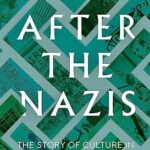
After the Nazis: The Story of Culture in West Germany
by Michael H. Kater
“Another excellent work. From this book I took away the (unintended?) conclusion that the German written and cinematic contributions have not aged well, due to excessive (but understandable) preoccupations with Naziism and the Second World War.” — via Website
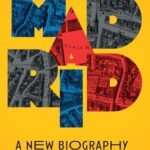
Madrid: A New Biography
by Luke Stegemann
“Madrid is now one of the world’s very very best cities. You can judge tomes like this by how many other books they induced you to read or buy, and in this case the number was eight.” — via Website

Palestine 1936: The Great Revolt and the Roots of the Middle East Conflict
by Oren Kessler
“A good look at the festering problems in place before 1948. Among other things, it shows how many of the current arguments and debates have very deep roots, and just how far back the lack of trust goes.” — via Website

Music of Exile: The Untold Story of the Composers who Fled Hitler
by Michael Haas
“A detailed, well-organized and captivating look at this story. My conclusion, though, is that the Germanic compositional scene already was starting to reach dead ends in terms of quality and innovation?” — via Website
Feeding the Monster: Why Horror Has a Hold on Us
by Anna Bogutskaya
“A fun read about the importance of horror movies in contemporary culture, and a lament that we underrate them.” — via Website

The End of Enlightenment: Empire, Commerce, Crisis
by Richard Whatmore
“One of my favorite books on the British Enlightenment. For instance, the author captures the tenor of 18th century British debates about liberty very well. Very good chapters on Hume, Shelburne, and Macaulay. Whatmore somehow writes as if he is actually trying to explain things to you! If you read a lot of history books, you will know that is oddly rare.” — via Website

God and the Devil: The Life and Work of Ingmar Bergman
by Peter Cowie
“The author knew Bergman, and early on, so this is a useful biography in several regards, most of all for some background information and TV and theatre projects that never came to fruition.” — via Website
Capitalism and its Critics: A History: From the Industrial Revolution to AI
by John Cassidy
“John Cassidy of course is the New Yorker writer on economics. Comprehensive and clearly written, I predict this book will find its audience, and no it does not discuss Nick Land.” — via Website
The Dark Enlightenment
by Nick Land
“There is plenty one can say about this book and these views, but most of all I am struck how negative “the new Right” is about American institutions. Even at whatever you might think is their most decrepit state (which year is that again?), they are some of the best institutions the world has seen.” — via Website

Shots Heard Round the World: America, Britain, and Europe in the Revolutionary War
by John Ferling
“A good and well-detailed book for putting the Revolutionary War and its battles into a broader perspective, explicable to both American and British perspectives.” — via Website
Lies and Sorcery
by Elsa Morante
“The kind of long novel that women on average will like much more than men do? If someone said to me they thought it was excellent, I would not feel they had bad taste. For me the narrative strayed too far from anything I cared about, other than fineries about the characters.” — via Website

The Magic of Silence: Caspar David Friedrich’s Journey Through Time
by Florian Illies
“An excellent book, usually I am allergic to art history books that attempt to charm, but this one works.” — via Website
Walter Lippmann: An Intellectual Biography
by Tom Arnold-Forster
“With so many forms of liberalism in semi-collapse, Lippmann is suddenly relevant again. He had faith in experts, and also was not crazy. But somehow is not deep enough to hold my interest? Still, this book is very well done.” — via Website
Jesus Wept: Seven Popes and the Battle for the Soul of the Catholic Church
by Philip Shenon
“A very well-written and useful book, I cannot say I have a stance on the issues per se. It is one of my defects that I cannot care enough about the politics of the Catholic Church — I feel there are already too many separate countries with their own politics.” — via Website

Cause for Alarm
by Eric Ambler
“Are all his books so good? So far yes. With very simple means he redefines what it means to be a good writer of thrillers. Very English, written and set in Italy 1937, with a foolish Englishman who could be out of a Hitchcock movie.” — via Website

Islamesque: The Forgotten Craftsmen Who Built Europe’s Medieval Monuments
by Diana Darke
“Perhaps overargued in places, but an excellent book, with super-clear explanations and wonderful illustrations.” — via Website

Disputing Disaster: A Sextet on the Great War
by Perry Anderson
“This strikes me as the kind of book where a very established author is seeking to work out issues that preoccupied him as a much younger man. Such books tend to be interesting but also incomplete and unsatisfying? Overall I am glad I read this one.” — via Website
Shattered Lands: Five Partitions and the Making of Modern Asia
by Sam Dalrymple
“Are you excited by the prospect of learning more about why Burma split off from the rest of the Raj in 1937? If so, this is the book for you. It also has good coverage on the role of the Middle East in the history of the Raj.” — via Website
God is an Englishman: Christianity and the Creation of England
by Bijan Omrani
“Some might argue this book is a “duh,” nonetheless I found it a good overview of the importance of Christianity in British history, and suggesting that those ties should not be lost or abandoned,” — via Website

Mother Mary Comes to Me
by Arundhati Roy
“Well-written, but at some point I started wondering why I should care. OK, Mama was a pain in the ass, but then what? You had to take care of her when she was old. I guess I prefer whaling tales?” — via Website

Destroyer of Worlds: The Deep History of the Nuclear Age
by Frank Close
“A good look at the underlying scientific history behind nuclear, most of all in the pre-Manhattan project years. I had not sufficiently realized how dangerous this research was, and how many of the people died prematurely from cancer, quite possibly from radiation exposure.” — via Website
Shifting Sands: A Human History of the Sahara
by Judith Scheele
“A quite good, informative, and readable book on a very much undercovered topic. Saharan civilization is something that runs deeper, and is more coherent, than any set of national boundaries in the region. The author spent years living in the Saharan region of Chad.” — via Website

The Best of all Possible Worlds: A Life of Leibniz in Seven Pivotal Days
by Michael Kempe
“A good book, I had not realized the full import of Leibniz in the history of binary computation, his understanding of “novels as models,” his theory of social distancing during epidemics, or just how much attention he devoted to the historical episode of a woman as Pope.” — via Website

Schattenfroh
by Michael Lentz
“About one thousand pages, it is receiving buzz as a new novel to master, some are calling it “the new Solenoid” (not a positive for everyone, I do understand). I have tried parts in English and parts in German, but still I do not get it. Does it have a plot? Any humor?” — via Website
Daring: The Life and Art of Elisabeth Vigee Le Brun
by Jordana Pomeroy
“Both a book and a picture book rolled into one. This new release is a very good introduction to her life, her art, and her role as semi-official court painter for Marie de Antoinette. She remains an underrated artist.” — via Website
Football
by Chuck Klosterman
“An excellent and highly conceptual book about America’s favorite sport. Could this be the best book on (American) football ever?” — via Website

Death in a Shallow Pond: A Philosopher, A Drowning Child, and Strangers in Need
by David Edmonds
“An engaging but also intellectually serious history of some strands of utilitarianism and effective altruism. I was happy to blurb this book, you may recall Edmonds also wrote the excellent biography of Derek Parfit.” — via Website
Italy Reborn: From Fascism to Democracy
by Mark Gilbert
“How Italy built a democracy after WWII, more or less out of nothing. An optimistic and good book. De Gasperi was a great man, and essential to the building out of a democratic Italy, yet today his name is hardly known.” — via Website
Wings: A Story of a Band on the Run
by Paul McCartney
“Not really written by McCartney, but excerpts from interviews with parties involved with Wings, Paul included. Presented as if it were an oral history, which in part it is. Very well done, not for everyone obviously but it is for me. Macca and music aside, it is a good study of how to reinvent oneself, and how weird you need to be to actually succeed with that.” — via Website

Shoot the Widow: Adventures of a Biographer in Search of Her Subject
by Meryle Secrest
“A highly entertaining quasi-autobiography, focusing on her work on the nine different biographies she wrote of some very different people.” — via Website

Urban Utopias in the Twentieth Century: Ebenezer Howard, Frank Lloyd Wright, and Le Corbusier
by Robert Fishman
“There are a variety of books on these figures and this topic, but after buying and perusing a whole bunch of them, this is the one I found useful.” — via Website

Alfred Schnittke
by Alexander Ivashkin
“Lately I have been listening to the Psalms of Remembrance and the violin sonata #2. I had not known that Schnittke grew up speaking Volga German.” — via Website

Erik Satie Three Piece Suite
by Ian Penman
“A hard book to explain. A kind of devil’s dictionary of terms related to Erik Satie, interesting and witty throughout, at least if you know something of early modernism and its culture. Recommended, for those who care.” — via Website

Blood Harmony: The Everly Brothers Story
by Barry Mazor
“In addition to the very famous songs, “Roots” is an incredible and now neglected album. This book however is good not great, as it never quite brings them to life. But it is now the main biography, and in that sense is self-recommending.” — via Website
The Perfect Mile: Three Athletes, One Goal, and Less Than Four Minutes to Achieve It
by Neal Bascomb
“While the major focus is on Roger Bannister, there is plenty on the other runners of his time as well, most of all the Australian John Landy, who rapidly broke Bannister record after it was achieved. Many smart people do not read enough books about the history of sports.” — via Website
Contemporary Iranian Art: New Perspectives
by Hamid Keshmirshekan
“I get tired of reading through the same old histories of Persia/Iran, and how they tell the same old tales of the rise and fall of the Shah, etc. So how else might you try to understand contemporary Iran better? Books like this are a very good place to start, plus they are fun to page through.” — via Website

Allies at War: The Politics of Defeating Hitler
by Tim Bouverie
“A useful and detailed reminder that allies never really quite get along with each other. You can never read too many books about World War II.” — via Website

Amorous or Loving?: The Highly Peculiar Tale of English and Its Vocabulary
by Rupert Gavin
“An excellent book that will make my best of the year list. How did the English language come to be so diverse and also have so many words? Along the way you get decent insights into economic history, the importance of London, and the Straussian readings of Macbeth.” — via Website
A Cheesemonger’s Tour de France
by Ned Palmer
“About half of this book is good and focused. Think of it as one possible introduction to French regional history. You can learn why Provence is so special for goat cheese, and why Dijon has kept so many original agricultural and cheese-making traditions.” — via Website

The Warrior: Rafael Nadal and His Kingdom of Clay
by Christopher Clarey
“An intelligent and very good book, covering one of the greatest eras (Federer-Nadal-Djokovic) that any sport ever has had.” — via Website
The North Will Rise Again: In Search of the Future in Northern Heartlands
by Alex Niven
“If you can look past the usual ill-informed chatter about Maggie ruining northern England (the author needs to study growth models!), this is quite an interesting book.” — via Website
Complete Works 1979-Today
by Zaha Hadid
“Architecture, plus excellent preliminary sketches of the works. The Weil am Rhein works are my favorite of what I have seen by her. Exactly the kind of picture book that will become more valuable in an age of strong AI.” — via Website
In Covid’s Wake: How Our Politics Failed Us
by Stephen Macedo
“A reasonable, evidence-based, non-crazy account of governance failures and excesses during the Covid crisis. For me there was not so much new here, but I am glad to see saner voices moving into the discourse.” — via Website

A History of Boston
by Daniel Dain
“772 pp., clearly written and consistently interesting. Most of all one receives the sense of Boston as a place with a long history of radical ideas.” — via Website
Super Agers: An Evidence-Based Approach to Longevity
by Eric Topol
“Longevity research goes mainstream! Very clearly written, well argued, and focused on the science. I cannot pretend to evaluate the details of the material, but this seems a step ahead of the other, typically less serious books on the same topic.” — via Website
Three Guineas
by Virginia Woolf
“Why do so few people talk about this piece? It is Woolf writing on feminization and the prevention of war. The argument is dense, and I will give it a reread.” — via Website
The Idea Machine: How Books Built Our World
by Joel J. Miller
“A paean to reading and its importance, comprised of many historical anecdotes. I wish each part went into more detail, nonetheless this is an important book about a cultural transmission method that is in some unfortunate ways diminishing in its cultural centrality.” — via Website
Up at the Villa
by W. Somerset Maugham
“Great fun at first, and very short. It ends up “overinvesting” in plot, but still for me a worthwhile read. It is best when at its most psychological.” — via Website

The Unabridged Journals of Sylvia Plath
by Sylvia Plath
“Usually journals bore me after the first fifty pages. But this lengthy volume is fascinating throughout, and arguably her greatest achievement? At the very least worth a try. She maintained an impossibly high level of writing across these years, plus you see (close up) the shifts in how her life was going, electroshock therapy and all. Recommended.” — via Website

Cairo: Architectural Guide
by Thomas Meyer-Wieser
“A picture book, sort of. Reading a book on the architectural history of a place, while intrinsically interesting, is also usually the best way to learn the non-architectural history of that same place. Recommended.” — via Website
Religions of Early India: A Cultural History
by Richard H. Davis
“A very useful background read for understanding later Indian history and religions, as well as the more general spread of religion throughout the southern regions of Asia. Avoids the common mistake of becoming too obscure on these topics.” — via Website
The Wage Standard: What’s Wrong in the Labor Market and How to Fix It
by Arindrajit Dube
“Dube notes his main theme is that employers have discretion in setting the real wage. A good overview of his work in labor economics.” — via Website

The Proof in the Code: How a Truth Machine Is Transforming Math and AI
by Kevin Hartnett
“A very useful book about the history of proving math theorems by computer.” — via Website
Exit Stalin: The Soviet Union as a Civilization 1953-1991
by Mark B. Smith
“I am seeing an increasing number of excellent books on what the Soviet Union really was. This one is well written, broad in scope, and yet rich in detail, treating the covered era as a living, breathing time in human history. It makes the time and place imaginable.” — via Website
The Four Heavens: A New History of the Ancient Maya
by David Stuart
“We keep on learning lots about the Maya, and this is the best book to follow what has been going on. Well-written and clear, and it does not numb your mind with details you may not care about.” — via Website

The Mind of South Africa
by Allister Sparks
“This history book actually tries to explain to the reader how things were. Oh such books are so rare! (Why is that?) Definitely recommended, written at the very end of the apartheid era which gives it yet another angle of interest.” — via Website
Parallel Lives: A Love Story from a Lost Continent
by Iain Pears
“A delightful story/indirect memoir, telling the tale of the lives and marriage of Francis Haskell, the British art historian, and Larissa Salmina Haskell, a Russian woman who survived the siege of Leningrad as a girl.” — via Website
Famesick: A Memoir
by Lena Dunham
“Not exactly my thing, so I did not finish it. But it is pretty good, so if you are tempted give it a try.” — via Website
Mysticism and Dissent: Socioreligious Dissent in Qajar Iran
by Mangol Bayat
“A very good, clear, and useful book on different dissident religiouis developments in Iran, leading up to the Bahai faith. Recommended, one of the best books I have found for grappling with the history of current Iran.” — via Website
Making Art and Making a Living: Adventures in Funding the Creative Life
by Mason Currey
“The best overall book I know on the different methods top artists have used to keep themselves going financially. It is perhaps more anecdotal and less theoretical than I would prefer, still a nice work.” — via Website
Where the Music Had To Go: How Bob Dylan and the Beatles Changed Each Other
by Jim Windolf
“An excellent and engaging book, which even serious fans can learn from. The first time Paul McCartney heard the music of Bob Dylan he called it “folk crap,” to his brother Mike.” — via Website

Preparing for War: The Making of the Geneva Conventions
by Boyd van Dijk
“A very good look at the negotiations behind the Geneva Conventions of 1949 and just how driven by national self-interest they were, including colonial motives from the major colonial powers, who wished to retain stronger rights to put down uprisings.” — via Website

The Cherokees in War & at Peace 1670-1840
by David Narrett
“An excellent book, one of the two best books on a single Native American tribe I have read. The book actually aims at explaining the Cherokees and enlightening the reader – how rare.” — via Website

Doctor Faustus
by Thomas Mann
“An imperfect, problematic work, too caught up with its own Germanness, and lacking dramatic tension. Still, an important work and this new translation is much better than the old one.” — via Website

The Successor: Boris Nemtsov, Vladimir Putin, and the Death of Russian Democracy
by Mikhail Fishman
“One of the best books to read on how Russia moved from “had some democratic elements in place” to autocracy, on a step-by-step basis. The story is told using the career of Boris Nemtsov, who was assassinated in 2014, as a lens.” — via Website

From Life Itself: Turkey, Istanbul, and a Neighborhood in Transition
by Suzy Hansen
“An insightful look into Erdoğan, Turkish Islamism, parts of Istanbul, and most of all how Turkey slid into autocracy. One of the best case studies I know of on how a fragile democracy can go away.” — via Website

Karl Popper: The Formative Years 1902-1945
by Malachi Haim Hacohen
“Such an excellent and high-level work. And the author is not afraid to accuse Popper of making everything about himself, and also writing on topics (Plato, Hegel, Marx) where he was less than well-informed.” — via Website

Enver Hoxha: Twentieth-Century Tyrant
by Robert C. Austin
“How did this strange story end up happening? This book offers the best set of explanations I have seen. But Hoxha himself remains a psychological cipher at the end of it all?” — via Website

Martin Buber: A Life of Faith and Dissent
by Paul Mendes-Flohr
“A beautifully written, first-rate intellectual biography of Buber. It is hard to imagine finding a better book on him.” — via Website
Democratic Drain: Global Migration and the Struggle for Political Freedom
by Justin Gest
“a political economy argument that widespread immigration can drain home countries of their democracy supporters to some extent.” — via Website
James Joyce: A Political Life
by Frank Callanan
“An excellent book, and it truly induces us to revalue Joyce and understand him in a new light. Joyce was in fact highly politically conscious, heavily influenced by Parnellism, and in part writing a critique of Irish nationalism from an internal perspective.” — via Website

Lord of Light
by Roger Zelazny
““Earth is long since dead. On a colony planet, a band of men has gained control of technology, made themselves immortal, and now rule their world as gods of the Hindu pantheon.” First published in 1967.” — via Website
Monumental: Great Buildings of the World Through the Hands and Eyes of a Stonemason
by Simon Warrack
“An engaging book about the beauties of stonemasonry, with case studies of Venice, Angkor Wat, Lalibela, Zimbabwe and other locales.” — via Website

The Shortest History of Ireland
by James Hawes
“From a useful series, even if some of the claims are wrong and the judgments intemperate. Such books force you to think through your own views and interpretations, they serve as refreshers for the basic history, and they do give you conceptual frameworks of a sort.” — via Website

The Traveler: One Man’s Quest for Humanity from the South Seas to Revolutionary Paris
by Andrea Wulf
“This book meets her usual high standards. In this case the traveler is George Foster, who sailed with Cook to the South Seas and had relatively sympathetic attitudes toward the indigenous peoples there.” — via Website

So You Want to Own Greenland?
by Elizabeth Buchanan
“A useful and dispassionate overview of the relevant history and issues. The author is from Australia. I had not known that Norway unilaterally claimed parts of eastern Greenland in the early 1930s, though gave it back to Denmark following a Hague adjudication and ruling.” — via Website
Audition
by Katie Kitamura
“A fun short novel, full of mystery and suspense, good for those who like puzzles in their writing.” — via Website
Democracy’s Double Helix: Participation, Equality and Revolution in Early Modern Europe
by Lars Behrisch
“A good book about how the roots of semi-democratic decision-making are found in 16th century Europe, and stemmed from new needs to assemble various military and fiscal coalitions. Looks at the problem more broadly, in geographic terms, than most comparable studies.” — via Website

Alles Umsonst
by Walter Kempowski
“From 2006, could this be the best German-language novel since Sebald? It is about the pending doom from the Russian army approaching on East Prussia in 1945, and how the different characters deal with that, set on a German estate. Applicable to many other real world situations as well.” — via Website

Eurotrash, A Novel
by Christian Kracht
“I was put off by the title, but it turns out this is a fun and high-level short Swiss novel about driving around Switzerland with your semi-crazy eighty-year-old mother on a road trip. It helps to have some knowledge of both Switzerland and broader German-language literature.” — via Website
Not Built in a Day: How Slavery Made the Roman Empire
by Emma Southon
“A very good and aggressively readable book about how terrible slavery was in the Roman Empire. A useful corrective to other sources as well. While my general view is that interpretative disputes over antiquity are difficult to resolve, I find her interpretations more intuitive and more convincing than the other side of the debate.” — via Website

Nadja
by Andre Breton
“It is short, and fun enough to read. But one learns most books from the past are not masterpieces, and that surrealism as a movement — most of all in painting — was more important than the literary outputs of surrealism.” — via Website
Let Us Believe in the Beginning of the Cold Season
by Forough Farrokhzad
“She died in a car crash in 1967 at the age of thirty-three, but it turns out she was an amazing poet. I usually do not enjoy poetry in translation, but this is so fiery and full of passion that I am happy to recommend it.” — via Website
Wireheads: An Unnatural History of Technology in the Brain
by Mike Jay
“Much of this story is told through the lens of the accompanying science fiction and non-neuro trends in other parts of science. An excellent book, substantive on every page, and it will make you want to read some of the works he cites.” — via Website