
Reading List
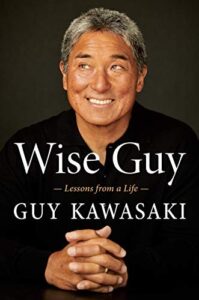
Guy Kawasaki
Author & Chief Evangelist of Canva
Guy Kawasaki is a marketing specialist, author, and Silicon Valley figure best known as one of Apple’s original Macintosh “evangelists” in the 1980s. He later worked as a venture capitalist and, more recently, as chief evangelist of the design platform Canva. Across a dozen books and a popular podcast, he has become a widely read voice on entrepreneurship, marketing, and the art of winning people over.
Influence: The Psychology of Persuasion
by Robert B. Cialdini · 1984 · Self-Help
“Every sales and marketing person needs to read it.” — Source
The Effective Executive
The Definitive Guide to Getting the Right Things Done
by Peter F. Drucker · 2006 · Business
“Another formative read for me. I devoured this book while in college. I can’t say that I’ve always been an effective executive, but Peter Drucker was a hero of mine.” — Source
Inevitable Illusions
How Mistakes of Reason Rule Our Minds
by Massimo Piattelli-Palmarini · 1996 · Nonfiction
“This book should“ have been called, How Entrepreneurs Think because it explains how entrepreneurs confuse themselves. I salute the people who can read this book and not find a mistake of reasoning that they’ve made.” — Source

The Innovator’s Dilemma
When New Technologies Cause Great Firms to Fail
by Clayton M. Christensen · 2016 · Business
“This was a formative read for me: it taught me why it’s so hard to come up with a second hit and why startups often have the advantage when creating curve-jumping innovation.” — Source
Crossing the Chasm
Marketing and Selling Disruptive Products to Mainstream Customers
by Geoffrey A. Moore · 2014 · Business
“I learned the hard way about chasms while working for Apple. The early adopters are easy–“main street” is hard. Entrepreneurs should read this book when they are cranking out their “conservative” sales projections.” — Source
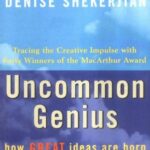
Uncommon Genius
How Great Ideas Are Born
by Denise Shekerjian · 1991 · Creativity
“A lovely book that gets into the minds of the ”genius“ award winners of the MacArthur Foundation. There’s a lot to learn about ”mastery“ from these award winners and much of it can be applied to business.” — Source

The Chicago Manual of Style
17th Edition
by University of Chicago Press Editorial Staff · 2017 · Nonfiction
“I can’t stand bad grammar. This is the definitive book on how to handle the tweaky issues that come up in writing. I once read it cover to cover–dare I admit this?” — Source

Mastering the Dynamics of Innovation
by James M. Utterback · 1996 · Business
“This book opened my eyes with evidence and findings about innovation. Bob Sutton would be very happy with this book because of its scientific basis. Here’s a question to determine if you need to read this book: What’s the maximum distance the sales people should be from the engineers in startup? Hint: It’s less than the distance from Santa Clara to Bangalore.” — Source
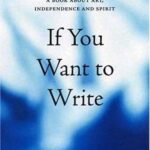
If You Want to Write
A Book about Art, Independence and Spirit
by Brenda Ueland · 2007 · Nonfiction
“Perhaps my favorite book of all time. It was my guiding light when I first started writing. Obviously, the book is for writers, but if you substitute ”program,“ ”market,“ ”evangelize,“ or ”start“ for the word ”write,“ you’ll see why its concepts are widely applicable. If you only buy one book from this list, make it this one.” — Source