
Books
Browse the books our people wrote and recommend.
 Hold On to Your Kids
Maté and Gordon Neufeld argue that children are increasingly oriented to peers instead of parents, and that this weakens the bond kids most need.
 Homage to Catalonia
Orwell's memoir of fighting in the Spanish Civil War, and of watching the revolution he believed in turn on itself.
3 recommenders
 Home
Marilynne Robinson retells the Gilead story from the minister Boughton's house, as his prodigal son and dutiful daughter come home.
1 recommender
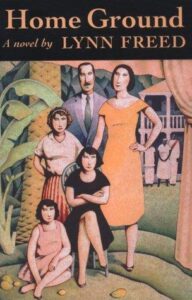 Home Ground
A girl grows up in a theatrical Jewish family in Durban, under apartheid and largely oblivious to it.
1 recommender
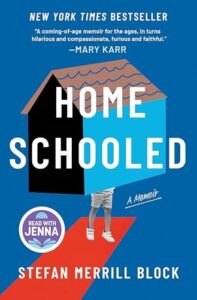 Homeschooled
Pulled from school at nine, and a childhood organised entirely around one parent's certainty about him.
1 recommender
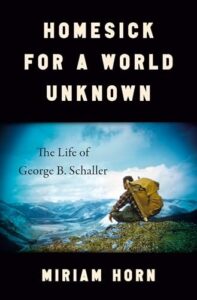 Homesick for a World Unknown: The Life of George B. Schaller
Seventy years of field work, from mountain gorillas to snow leopards, by the biologist who established that wild animals could be studied by living alongside them.
1 recommender
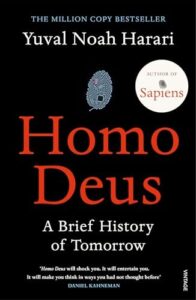 Homo Deus
Having largely beaten famine, plague and war, Harari asks what a species does next, and whether humanism survives the algorithms.
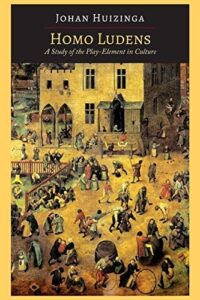 Homo Ludens: A Study of the Play-Element in Culture
Written in 1938, as Europe prepared to demonstrate the darker half of the argument that play is what civilisation actually grew out of.
1 recommender
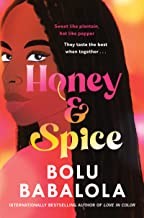 Honey and Spice
A campus radio host who warns women off bad men is caught kissing one, and fakes a relationship to save face.
1 recommender
 Honor
1 recommender
 Hopscotch
Julio Cortázar's novel built to be read in more than one order, in a Pantheon paperback.
1 recommender
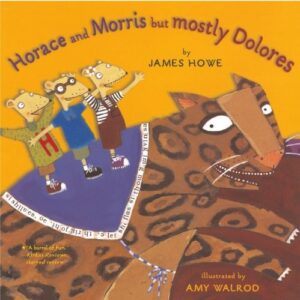 Horace and Morris but Mostly Dolores
Three mouse friends are split up by a boys' club and a girls' club, until Dolores decides she has had enough.
1 recommender
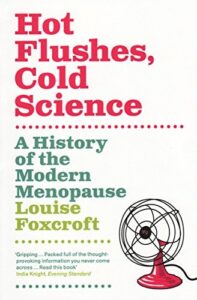 Hot Flushes, Cold Science
How doctors turned an ordinary stage of women's lives into a medical problem, and why.
 Hotter Than the Sun: Time to Abolish Nuclear Weapons
An abolitionist argument against nuclear weapons, built from interviews with the people who study them.
 House of Sand and Fog
Andre Dubus III's novel pits an evicted woman against an Iranian immigrant family over a small California house, with tragic results.
1 recommender
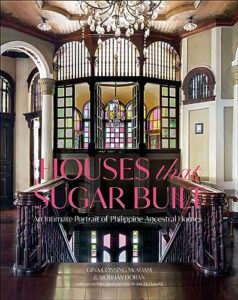 Houses that Sugar Built: An Intimate Portrait of Philippine Ancestral Homes
The great houses that Philippine sugar money built, photographed before any more of them disappear.
1 recommender
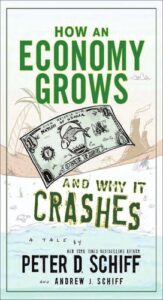 How an Economy Grows and Why It Crashes
The Schiff brothers explain macroeconomics through a fishing-island fable, an illustrated Austrian-school case that saving builds growth and easy credit causes crashes.
 How Animals Work
1 recommender
 How Big Things Get Done: The Surprising Factors That Determine the Fate of Every Project
Almost every big project runs late and over budget, and the exceptions have a pattern.
1 recommender
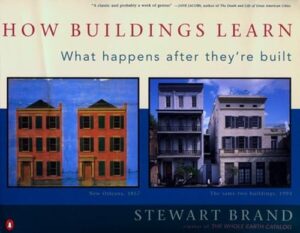 How Buildings Learn
Architecture judged over decades rather than at completion, where the celebrated buildings often fare worst.
1 recommender
 How Finland Survived Stalin: From Winter War to Cold War, 1939-1950
Rentola uses Soviet archives to explain the survival: the Winter War, the 1944 fighting and the postwar settlement joined into one account of living beside Stalin.
1 recommender
 How Google Works
Schmidt and Rosenberg's inside account of how Google was run, built around hiring "smart creatives" and designing a culture where the best ideas win.
 How Life Imitates Chess
Lessons in strategy, preparation, and decision-making drawn from Kasparov's two decades at the top of world chess, applied to business and life.
 How Minds Change
Argument almost never changes a mind. This follows the people who have worked out what does.
1 recommender
 How Not to F*** Them Up
Parenting advice for the first three years, matched to the kind of mother you are.
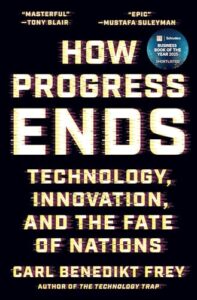 How Progress Ends: Technology, Innovation, and the Fate of Nations
The economist behind the automation research, on why technological progress stalls and who stalls first.
1 recommender
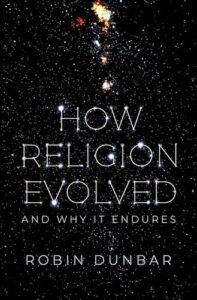 How Religion Evolved
Religion examined as a bonding technology, and the question of what holds a group larger than instinct allows.
1 recommender
 How Risky Is It, Really?
The psychology of risk perception, and the danger of the gap between what frightens us and what harms us.
1 recommender
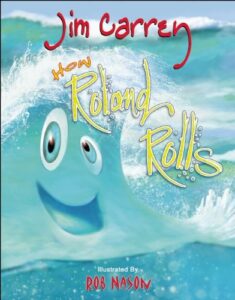 How Roland Rolls
A wave afraid of breaking on the shore learns he was never only a wave, in Carrey's picture book about impermanence.
 How Solar Energy Became Cheap
1 recommender
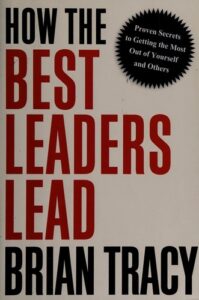 How the Best Leaders Lead
Tracy's field guide to leadership as developable practice: strategy, priorities, team-building, and accountability, not an innate gift.
 How the Pro-Choice Movement Saved America
An argument that the fight over abortion is really a fight over birth control and sex.
1 recommender
 How the Scots Invented the Modern World
Arthur Herman argues that Enlightenment Scotland handed the modern world many of its founding ideas, from free markets to modern democracy.
1 recommender
 How the World Eats
A philosopher visits farms and factories to ask how the world should feed itself.
 How the World Made the West: A 4,000 Year History
Four thousand years of the West being made by everywhere else, not by Greece and Rome alone.
1 recommender
 How the World Thinks
A tour of the world's philosophical traditions, and what the West can learn from the rest.
Never miss a new book
One short email a week: the newest notable people and the books they recommend, each with the quote and the source. Free, no spam, unsubscribe anytime.