

Reading List
Laura Lippman
Crime Novelist and Former Reporter
Laura Lippman spent twenty years as a newspaper reporter, twelve of them at the Baltimore Sun, writing novels in the early mornings before her shifts. The Tess Monaghan series began in 1997 and she has since written a run of standalones, among them Every Secret Thing, Sunburn and Lady in the Lake, most set in a Baltimore she knows as a beat rather than a backdrop. She reads widely outside crime and is unembarrassed about naming children’s books among the best she has read.
01
 Amazon ↗
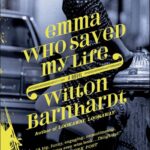
Emma Who Saved My Life
by Wilton Barnhardt · 1989 · Fiction
“Gil Freeman arrives in New York City in 1974 determined to find success as an actor as well as the love of his life. Emma is his sometimes roommate, sometimes ideal, but this is not a typical rom-com.” — via Article
02
 Amazon ↗
Local bookstores ↗
Amazon ↗
Local bookstores ↗
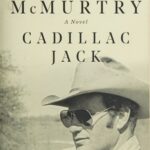
Cadillac Jack
by Larry McMurtry · 1982 · Fiction
“This novel is full of coveted objects "scouted" by the titular character, who essentially lives in his pearl-colored Cadillac, uniting precious finds with covetous owners.” — via Article
03
 Amazon ↗
Local bookstores ↗
Amazon ↗
Local bookstores ↗
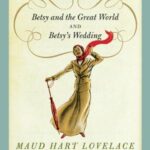
Betsy and the Great World
by Maud Hart Lovelace · 1952 · Fiction
“In 1914, would-be writer Betsy Ray travels abroad, hoping to gain experiences that will help enrich her writing” — via Article
04
 Amazon ↗
Local bookstores ↗
Amazon ↗
Local bookstores ↗
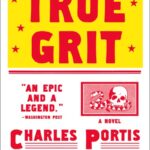
True Grit
by Charles Portis · 1968 · Fiction
“But it's easy to forget that the story is told from the astringent point of view of a 60-something woman who has lived her life absolutely on her own terms, indifferent to public opinion.” — via Article
05
 Amazon ↗
Local bookstores ↗
Amazon ↗
Local bookstores ↗
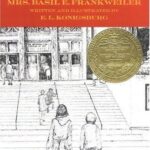
From the Mixed-Up Files of Mrs. Basil E. Frankweiler
by E.L. Konigsburg · 1967 · Children's
“Two suburban siblings run away and set up camp in New York City's Metropolitan Museum of Art , only to become obsessed with the statue of a marble angel, which may or may not have been carved by Michelangelo. Simply one of the best books ever written, in any genre.” — via Article
06
 Amazon ↗
Local bookstores ↗
Amazon ↗
Local bookstores ↗
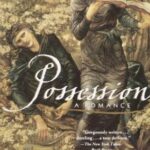
Possession
A Romance
by A.S. Byatt · 1990 · Fiction
“Two young scholars, in competition with other academics, race to find out the truth behind love letters written by an important 19th-century poet. By turns satiric and poignant, the novel finds its climax on a dark and stormy night in a churchyard.” — via Article