
Reading List
Steven Amsterdam
Novelist
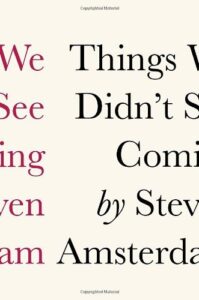
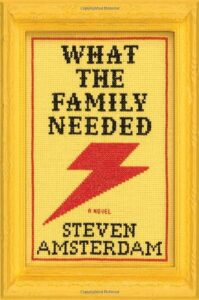
Steven Amsterdam is an American writer who lives in Melbourne, where he also works as a palliative care nurse. Born in New York in 1966, he was a map editor, book jacket designer and pastry chef before moving to Australia. His first book, Things We Didn’t See Coming, a set of linked stories that follows one narrator from the eve of Y2K into an unsettled future, won The Age Book of the Year in 2009. His novels since include What the Family Needed, The Easy Way Out and The Lives of Writers.
01
 Amazon ↗
Local bookstores ↗
Amazon ↗
Local bookstores ↗
Wolf Solent
by John Cowper Powys
“There’s another marvellous chapter where Wolf and Gerda court each other with zeal and only the reader can hear how poorly they understand each other. This manic perspective feels at odds with all the pastoral indulgences, but it makes the book a unique record of the literary moment of the late 20s.” — via Interview, November 2012
02
 Amazon ↗
Local bookstores ↗
Amazon ↗
Local bookstores ↗
Beware of Pity
by Stefan Zweig
“It’s a tense, emotional thriller for the well-meaning. All the flickers of behaviour in this family are brought into focus; all the tiny efforts Hofmiller makes to do the right thing are understandable in their urge to appease.” — via Interview, November 2012
03
 Amazon ↗
Local bookstores ↗
Amazon ↗
Local bookstores ↗
Lolita
by Vladimir Nabokov · 1955 · Fiction
“What’s spectacular for me is the triumph of the humour over his loathsomeness. You can almost sympathise with his compulsive stream of thought, and if you can’t, you can at least admit to being entertained. Nabokov’s wry reading of America and of Humbert manages to overcome much of what’s repellent in the book.” — via Interview, November 2012
04
 Amazon ↗
Local bookstores ↗
Amazon ↗
Local bookstores ↗
The White Album
by Joan Didion
“The book could have been anything, from celebrity worship to offbeat cool, but her deadpan observations and her staccato organisation of the facts manage to cut in between. As a distillation of the moment, it works like the movie Nashville: critically observant, fabulously detached and just a bit mesmerised and horrified by the chaos.” — via Interview, November 2012
05
 Amazon ↗
Local bookstores ↗
Amazon ↗
Local bookstores ↗
The Plot Against America
by Philip Roth
“The book stuns through its complete plausibility from a historical angle and the prism of the seven-year-old’s youthful but (unsurprisingly) intelligent perspective. Years after reading it, the broad sweep of the book lingers in my mind as a cautionary tale, as if this was some almost-true alley of history we narrowly avoided.” — via Interview, November 2012