
Reading List
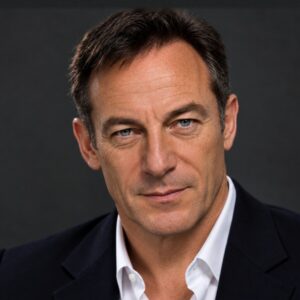
Jason Isaacs
Actor
Jason Isaacs trained at the Central School of Speech and Drama after reading law at Bristol, and has worked steadily across film, television and stage since the late 1980s. He is widely known as Lucius Malfoy in the Harry Potter films, Colonel Tavington in The Patriot, and Captain Lorca in Star Trek: Discovery, with more recent work including the third season of The White Lotus. He is an unusually engaged reader in interviews, and talks about books in terms of what they cost him rather than what they taught him.

Jerusalem
The Biography
by Simon Sebag Montefiore · 2011 · Non-Fiction
“Montefiore's book is a definitive, apolitical, mesmerizing account of the most invaded and occupied city on Earth and the carnage that built today's headlines.” — via Article
The Magician’s Nephew
by C.S. Lewis · 1955 · Children's
“I loved all the Narnia books as a kid. When Peter was told he wouldn't be coming back, I understood something devastating about mortality.” — via Article
1984
by George Orwell · 1949 · Fiction
“I remember those halcyon days when Orwell's novel seemed like a fantastical cautionary tale. That was before we were introduced to the world of alternative facts. Now, it has its terrifyingly real face pressed up against all of our windows and AI is crowbarring them open.” — via Article
There’s Nothing Wrong With Her
by Kate Weinberg · 2024 · Fiction
“a witty tale of panic, lust, the search for identity, and, by way of fantasy, the helpful companionship of a long-dead Italian nobleman.” — via Article
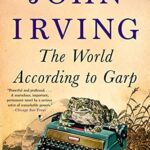
The World According to Garp
by John Irving · 1978 · Fiction
“I've not revisited this novel since I was 15, when it reignited a love for reading that skateboarding had sidelined. I didn't look up for three days as I devoured its mix of richly complex characters, gasp-out-loud plotting, and heartbreaking misadventures.” — via Article
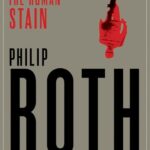
The Human Stain
by Philip Roth · 2000 · Fiction
“Roth inhabits the world of his protagonist so perfectly and navigates the character's big secret with such humanity that it beggars belief that this novel is not autobiographical. Read it in awe.” — via Article