Reading List
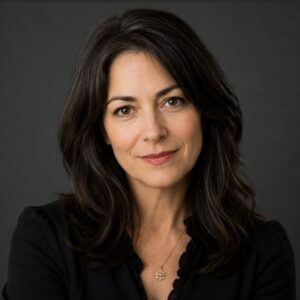
Maria Popova
Bulgarian-born writer and author of The Marginalian, the weekly essay project she began in 2006 and has written continuously since. Her subject is the reading life itself: she works through a book slowly and in public, braiding its passages with poetry, science, letters and biography until the essay becomes an argument for why the book matters. She reads across a range few critics attempt, and writes about children’s picture books with the same seriousness she brings to philosophy.
Man’s Search for Meaning
by Viktor E. Frankl · Memoir
“In 1945, shortly after his release from the concentration camps where his mother and brother had been murdered in the gas chambers, not yet knowing the love of his life was ailing with the typhus that would soon kill her, Viktor Frankl (March 26, 1905–September 2, 1997) sat down at his desk to compose what would become the epochal classic Man’s Search for Meaning.” — via Article, May 2026
Meditations
by Marcus Aurelius · Nonfiction
“Two millennia before the outrage culture of the Internet, the lovesick queer teenager turned Roman emperor and Stoic philosopher Marcus Aurelius (April 26, 121–March 17, 180) addressed this curious self-mauling tendency of the human mind with his characteristic precision of insight and unsentimental problem-solving in the notebooks that became his Meditations (public library) — a timeless book, newly translated and annotated by the British classics scholar Robin Waterfield, which Marcus Aurelius wrote largely for and to himself” — via Article, August 2026
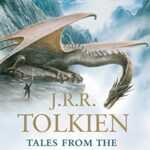
Tales from the Perilous Realm
by J.R.R. Tolkien · Essays
“On March 8, 1939, J.R.R. Tolkien (January 3, 1892–September 2, 1973), celebrated as one of the greatest fantasy writers in history, gave a lecture titled “Fairy Stories,” eventually adapted into an essay retitled “On Fairy-Stories” and included in the appendix to Tales from the Perilous Realm (public library). At the crux of his argument, which explores the nature of fantasy and the cultural role of fairy tales, is the same profound conviction that there is no such thing as writing “for children.”” — via Article, August 2026

Hagakure
The Book of the Samurai
by Tsunetomo Yamamoto · History
“How to ensure that our feedback falls on receptive ears is what the Japanese samurai turned Zen priest Yamamoto Tsunetomo (1659–1719) explores in a portion of his classic Hakagure (public library) — the posthumously published collection of his teachings, which also gave us his immortal guide to living fully by dying every day.” — via Article, July 2026
The Collected Poems of Dylan Thomas
The Original Edition
by Dylan Thomas · Literature
“Just a few weeks later, New Directions published The Collected Poems of Dylan Thomas (public library), containing the work Thomas himself had considered most representative of his voice as a poet and, now, of his legacy” — via Article, August 2026
The Diary of Anaïs Nin, Volume 4
1944-1947
by Anaïs Nin · Literature
“The subsequent installment, The Diary of Anaïs Nin, Vol. 4: 1944-1947 (public library) is an equally rich treasure trove of wisdom on everything from life to love to the art of writing.” — via Article, August 2026
One Long River of Song: Notes on Wonder
by Brian Doyle
“Not long before his untimely death by an aggressive brain tumor, Brian Doyle — who described himself as “a muddle and a conundrum shuffling slowly along the road, gaping in wonder, trying to just see and say what is” — took up these immense and eternal questions in what became his posthumous essay collection One Long River of Song: Notes on Wonder (public library).” — via Website

My Very Own Special Particular Private and Personal Cat
by Sandol Stoddard
“In 1963, two years before she composed her iconic ode to friendship, the prolific children’s book author, theologian, and novelist Sandol Stoddard (December 16, 1927–January 4, 2018) took up this fundamental challenge of connection in her playful and poignant book My Very Own Special Particular Private and Personal Cat (public library).” — via Website
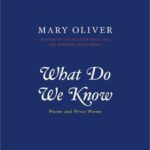
What Do We Know
by Mary Oliver
“one of Mary Oliver’s least known poems, found in her 2003 collection What Do We Know (public library)” — via Website
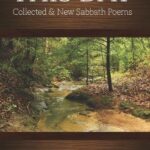
This Day
by Wendell Berry
“The poet, farmer, and wise elder Wendell Berry, who once defined wisdom as “the art of minimums,” takes up these immense and intimate questions throughout his wonderful collection This Day (public library) — his series of sabbath poems composed between 1979 and 2013.” — via Website
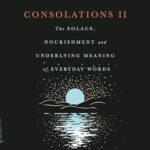
Consolations II
by David Whyte
“This secret Promethean power of burnout is what poet and philosopher David Whyte explores in one of the short, searching essays collected in his Consolations II — the continuation of his earlier emotional dictionary defining the deeper and often ineffable meanings of everyday words, which was among my favorite books of the year.” — via Website
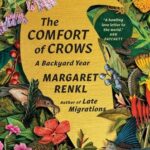
The Comfort of Crows: A Backyard Year
by Margaret Renkl
“In The Comfort of Crows: A Backyard Year (public library), Margaret Renkl chronicles her own reverence of reality across the seasons through the small acts of attention to wind and wren, to hemlock and hawk, which together reveal the grandeur of life.” — via Website
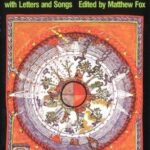
Hildegard of Bingen’s Book of Divine Works: With Letters and Songs
by Hildegard of Bingen
“In one of her visions, collected in the wonderful translation Hildegard of Bingen’s Book of Divine Works: With Letters and Songs (public library), she paints a menacing picture of a world in which we have grown disconnected from the greening life-force of our own souls.” — via Website
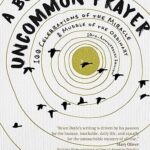
Book of Uncommon Prayer: 100 Celebrations of the Miracle & Muddle of the Ordinary
by Brian Doyle
“That is what Brian Doyle, patron saint of the miraculous, explores in one of the short, exultant pieces collected in his Book of Uncommon Prayer: 100 Celebrations of the Miracle & Muddle of the Ordinary (public library).” — via Website
Beyond Psychology
by Otto Rank
“The pioneering psychiatrist Otto Rank (April 22, 1884–October 31, 1939) — who strongly influenced Carl Jung and served as therapist to Henry Miller, Anaïs Nin, and other visionary artists — pulls the curtain on that illusion in Beyond Psychology (public library) — a book “pleading for the recognition and the acceptance of the irrational element as the most vital part of human life”.” — via Website
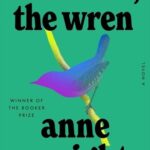
The Wren, the Wren
by Anne Enright
“Anne Enright faces this abyss in her lyrical novel The Wren, the Wren (public library), drawing from it not a point of despair but portal of possibility.” — via Website
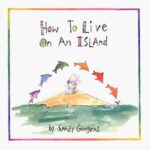
How To Live on an Island
by Sandy Gingras
“Artist and poet (in the largest sense) Sandy Gingras celebrates the many dimensions and delights of islands in her illustrated love letter How To Live on an Island (public library).” — via Website
On Consolation
by Michael Ignatieff
“This too is what Michael Ignatieff seeks in On Consolation: Finding Solace in Dark Times (public library) — his search for that eternal lifeline of assurance across two millennia of lives, from those who wrote overtly about the problem of being alive to those who tried to solve it with their living and their art, from Montaigne and Camus to Gustav Mahler and Anna Akhmatova.” — via Website
The Descent of Man
by Charles Darwin
“Toward the end of his life, Darwin took up the question of the imagination on the pages of The Descent of Man (free ebook). This “highest prerogative” of the human animal, he wrote, “unites former images and ideas, independently of the will, and thus creates brilliant and novel results.”” — via Website
Orbital
by Samantha Harvey
“Such a perspective is what Samantha Harvey invites in her breathtaking novel Orbital (public library) — the imagistic chronicle of the sixteen sunrises and sunsets seen and felt by the six astronauts suspended between the creaturely and the cosmic aboard the International Space Station.” — via Website
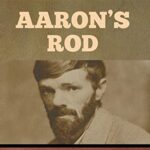
Aaron’s Rod
by D. H. Lawrence
“D.H. Lawrence (September 11, 1885–March 2, 1930) mounts a passionate defense of the process over the product in his autobiographically tinted 1922 novel Aaron’s Rod (free ebook | public library), animated by the perennial question and perennial confusion of what love actually is.” — via Website
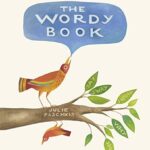
The Wordy Book
by Julie Paschkis
“Artist Julie Paschkis (who illustrated those wonderful picture-book biographies of Pablo Neruda and Maria Merian) conjures up the magic of words and their blessed bewilderment of meaning in The Wordy Book (public library), each page of which opens up a question, simple yet profound, quietly poetic, and leaves you to wander into your own answer inside a painting alive with words.” — via Website
Letters
by Oliver Sacks
“When he reluctantly returned to New York, Oliver set about trying to bridge the abyss of physical absence by rendering his world alive in words, composing some of the greatest love letters I have read. In one of the treasures collected in his posthumously published Letters (public library), he writes:” — via Website
The Tree
by John Fowles
“English novelist John Fowles (March 31, 1926–November 5, 2005) makes an impassioned case for the unjarring of life in his altogether wonderful 1979 arboreal memoir The Tree (public library).” — via Website
The Vision
by Kahlil Gibran
“In The Vision: Reflections on the Way of the Soul (public library) — the wonderful collection of meditations, essays, and poems drawn from Gibran’s Arabic writings about the spiritual life” — via Website
R.L.S. and His Sine Qua Non, Flashlights from Skerryvore
by Adelaide A. Boodle
“Thirty-seven years later, with Stevenson long gone, she set down her memories of life at Skerryvore in the slender, utterly delightful 1926 gem R.L.S. and His Sine Qua Non, Flashlights from Skerryvore (public library | public domain). Punctuating her loving recollections is a series of invaluable writing lessons from one of the greatest storytellers our civilization has produced.” — via Website
Confessions of a Barbarian
by Edward Abbey
“Throughout his life, Abbey kept a journal that stands as a crowning curio in the canon of notable diaries, selections from which were posthumously published as Confessions of a Barbarian (public library).” — via Website
Earth House Hold
by Gary Snyder
“In a passage from Earth House Hold (public library) — the 1969 collection of journal entries and poem fragments from his twenties and thirties — Snyder writes:” — via Website
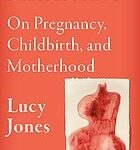
Matrescence: On Pregnancy, Childbirth, and Motherhood
by Lucy Jones
“English journalist Lucy Jones takes up these questions in Matrescence: On Pregnancy, Childbirth, and Motherhood (public library), braiding together her own experience of originating new life, some revelatory scientific studies that undermine our basic assumptions about personhood, and some astonishing counterpoints to the illusion of individuality in the nonhuman world.” — via Website
On Getting Better
by Adam Phillips
“British psychoanalyst Adam Phillips offers an antidote to our civilizational cult of self-improvement in his slender, potent book On Getting Better (public library).” — via Website
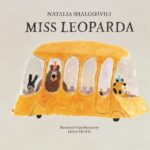
Miss Leoparda
by Natalia Shaloshvili
“These dynamics come alive with uncommon sweetness and charm in Miss Leoparda (public library) by Natalia Shaloshvili, translated into English by Lena Traer.” — via Website
Giovanni’s Room
by James Baldwin
“James Baldwin (August 2, 1924–December 1, 1987) defies this marketable myth in a stunning passage from Giovanni’s Room (public library) — the semi-autobiographical novel gave us Baldwin’s equally incisive reflection on love, freedom, and the paradox of choice.” — via Website
Disputed Questions
by Thomas Merton
“The theologian and Trappist monk Thomas Merton (January 31, 1915–December 10, 1968) takes up the choice of solitude, its preconditions and its consequences, in a thirty-page essay titled “Notes for a Philosophy of a Solitude,” found in his 1960 collection Disputed Questions (public library).” — via Website
In the Half Room
by Carson Ellis
“When I can’t sleep, I read children’s books. One night, I discovered In the Half Room (public library) by Carson Ellis in my tsundoku — an impressionistic invitation into a world where only half of everything exists.” — via Website
Homo Ludens: A Study of the Play-Element in Culture
by Johan Huizinga
“This would become the backbone of Huizinga’s visionary 1938 book Homo Ludens: A Study of the Play-Element in Culture (public library). Animated by questions “hovering over spheres of thought barely accessible either to psychology or to philosophy,” it went on to inspire everything from board games to mobile architecture to the magic circle concept of virtual worlds.” — via Website
Modern Man in Search of a Soul
by C. G. Jung
“In the middle of the world’s most destructive war, Carl Jung took up this elemental mystery of the creative spirit in a chapter of his 1939 book Modern Man in Search of a Soul (public library).” — via Website
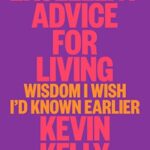
Excellent Advice for Living
Wisdom I Wish I'd Known Earlier
by Kevin Kelly · 2023 · Essays
“That is precisely what Kevin Kelly gathers in Excellent Advice for Living: Wisdom I Wish I’d Known Earlier (public library) — an herbarium of learnings that began as a list he composed on his 68th birthday for his own young-adult children, a list to which he kept adding with each lived year.” — via Website
All About Love
New Visions
by Bell Hooks · Nonfiction
“How to rediscover love from a place of wholeness, in a spirit of fearlessness, is what bell hooks (September 25, 1952–December 15, 2021) explores in her wonderful 2000 book All About Love (public library) — a field guide to “the practice of love in everyday life” and an impassioned manifesto for transforming our culture into one “where love’s sacred presence can be felt everywhere.”” — via Website
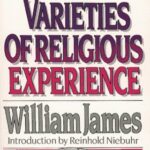
The Varieties of Religious Experience
A Study in Human Nature
by William James · 1902 · Nonfiction
“The pioneering psychologist and philosopher William James (January 11, 1842–August 26, 1910) explores this miraculous, world-remaking aspect of love in a passage from The Varieties of Religious Experience: A Study in Human Nature (public library | free ebook) — the 1902 masterwork based on his Gifford Lectures about science, spirituality, and the human search for meaning.” — via Website
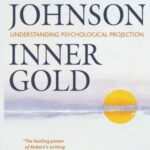
Inner Gold: Understanding Psychological Projection
by Robert A. Johnson
“In his 2008 psychology classic Inner Gold: Understanding Psychological Projection (public library), Jungian analyst Robert A. Johnson groups all the possible lonelinesses into the three core kinds that pulsate beneath our daily lives and govern our search for love: the past-oriented loneliness of missing what once was and never again will be, the future-oriented loneliness of longing for what could be but has not come to pass, and what he calls “the profound loneliness of being close to God.”” — via Website
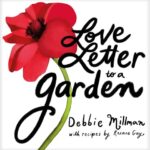
Love Letter to a Garden
by Debbie Millman
“This is why Debbie Millman (yes) begins her tenderly illustrated Love Letter to a Garden (public library) at the very beginning, at that first atom of time chipped from the rib of eternity — the singularity that seeded everything.” — via Website
Art and the Creative Unconscious
by Erich Neumann
“The Jewish German analytical psychologist Erich Neumann (January 23, 1905–November 5, 1960) devoted his life to investigating these invisible processes, finally formulating his ideas in four essays published under the title Art and the Creative Unconscious (public library) just before his death.” — via Website
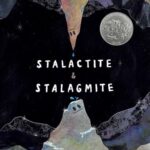
Stalactite & Stalagmite: A Big Tale from a Little Cave
by Drew Beckmeyer
“This elemental tendency comes to life with great levity and charm in Drew Beckmeyer’s picture-book Stalactite & Stalagmite: A Big Tale from a Little Cave (public library). The tale is big because its theme is the largest of feelings, but also because tucked into the love story is the evolutionary history of how our rocky planet became a living world” — via Website
Letters to Olga
by Vaclav Havel
“That is what the great Czech playwright, essayist, and poet Václav Havel (October 5, 1936–December 18, 2011) explores in an extraordinary feat of soul-searching and reckoning with the human condition, found in his Letters to Olga (public library), one of the most moving books I have ever read” — via Website
Embers of the Hands: Hidden Histories of the Viking Age
by Eleanor Barraclough
“as historian Eleanor Barraclough recounts in her altogether fascinating book Embers of the Hands: Hidden Histories of the Viking Age (public library), it wasn’t until decades after the excavation that researchers realized the Newfoundland wood samples were a once-living record of solar activity.” — via Website
Pilgrim at Tinker Creek
by Annie Dillard
“I was suddenly reminded of an essay by Annie Dillard from her 1974 masterpiece Pilgrim at Tinker Creek (public library), which won her the Pulitzer Prize and which I revisit frequently as basic irrigation for the soul.” — via Website
New and Selected Poems
by Marie Howe
“This is why I’ll take, over all the world’s philosophy combined, Marie Howe’s spare and stunning poem “The Maples,” found in her New and Selected Poems (public library) — that benediction of a book that won her the Pulitzer Prize” — via Website
Owl Lake
by Keizaburo Tejima
“the Japanese artist and storyteller Keizaburō Tejima beckoned the human imagination to enter the world of humanity’s most beloved bird with his 1982 book Owl Lake (public library).” — via Website
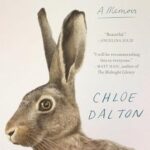
Raising Hare
by Chloe Dalton
“One winter day, walking through the placid English countryside while on pandemic-forced sabbatical from her roiling job as a foreign policy political advisor in London, Chloe Dalton stopped mid-stride at the sight of a small still creature haloed by the sunlight — a baby hare no bigger than her palm, right there in the middle of the path, about to change the course of her life, though she did not yet know it. In her moving memoir Raising Hare (public library), she recounts that catalytic encounter:” — via Website
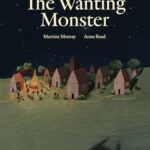
The Wanting Monster
by Martine Murray
“author Martine Murray and artist Anna Read, living parallel lives close to nature in rural Australia, offer a mighty new counter-myth in The Wanting Monster (public library) — an almost unbearably wonderful modern fable about who we would be and what this world would be like if we finally arrived, exhausted and relieved, at the still point of enough.” — via Website
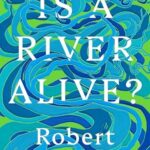
Is a River Alive?
by Robert Macfarlane
“It is what Robert Macfarlane champions with passion and rigor in Is a River Alive? (public library) — a portal of a book, lucid and luminous, hinged on something particular and urgent (the rights of nature movement) but (because this is Robert Macfarlane) opening into the deepest recesses of the existential and the timeless: the measure and meaning of being alive.” — via Website
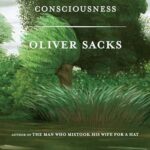
The River of Consciousness
by Oliver Sacks
“That is what Oliver Sacks (July 9, 1933–August 30, 2015) explores with his signature gift for bridging matter and meaning in the title essay of his altogether revelatory posthumous collection The River of Consciousness (public library), fusing his decades of medical practice as a neurologist studying how the brain works with a philosopher’s inquiry into what a mind is and a poet’s gift for rendering what it means to be alive.” — via Website
Report of the Exploring Expedition to the Rocky Mountains, Oregon and California
by John Charles Fremont
“Frémont spent a decade recounting the fourteen-month adventure in his Report of the Exploring Expedition to the Rocky Mountains, Oregon and California (public domain), replete with lyrical renderings of nature and its feeling-tones that no photograph could ever capture. (This is why Instagram will never make poets obsolete.)” — via Website
Telephone Tales
by Gianni Rodari
“I was eight when I first grasped the power of storytelling. One night, my mother presented me with a book titled Telephone Tales, published the year she was born. Night after night, page after page, it cast an enchantment, but it was one particular story that kept me up.” — via Website
A Small Personal Voice
by Doris Lessing
“In what would become the title essay of her collection A Small Personal Voice (public library) — an out-of-print treasure I chanced upon at a used bookstore in Alaska — she writes:” — via Website
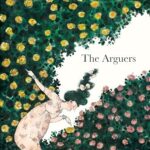
The Arguers
by Corinna Luyken
“Corinna Luyken, maker of tender and thoughtful illustrated aids for living, animates the absurdity of these duels with playfulness and charm in The Arguers (public library).” — via Website
Aflame: Learning from Silence
by Pico Iyer
“Pico Iyer, that untiring steward of the human soul, liberates the possibility imprisoned in the paradox with his slender and splendid book Aflame: Learning from Silence (public library) — a reckoning with the meaning of life drawn from his time spent in a Benedictine monastery on a journey toward inner stillness and silence” — via Website
The Book Against Death
by Elias Canetti
“Having left chemistry to study philosophy, trading the science of life for the art of learning to die, Canetti, aged thirty-two, decides to write a book “against” death, defying it without denying it, this shadow of life that is also its spark, the very thing that makes it shimmer with aliveness. He would work on it for the next half century until his own death, filling two thousand pages with reflections and aphorisms posthumously distilled into The Book Against Death (public library).” — via Website
Idle Days in Patagonia
by W. H. Hudson
“Not long after turning thirty, determined to make a name for himself as an ornithologist, Hudson set out on a yearlong observing expedition from the pampas to Tierra del Fuego, across the austere scrub and cold canyons of the Patagonian desert. Recounting the experience a lifetime later in his altogether magnificent 1893 book Idle Days in Patagonia (public domain), he reflects on the spirit in which he entered upon the adventure:” — via Website
Notes on Thought and Vision
by H. D.
“Couple H.D.’s Notes on Thought and Vision with Georgia O’Keeffe on the art of seeing and Iris Murdoch — whose over-mind was deeply kindred to H.D.’s — on how to see more clearly and love more purely” — via Website
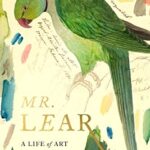
Mr. Lear: A Life of Art and Nonsense
by Jenny Uglow
“Jenny Uglow — one of my favorite custodians of cultural hindsight — describes his process in her magnificent biography Mr. Lear: A Life of Art and Nonsense (public library)” — via Website

Wind in the Rock
by Ann Zwinger
“That is what Ann Zwinger (March 12, 1925–August 30, 2014) invokes in Wind in the Rock (public library) — her breathtaking 1978 account of falling in love with Utah’s rocky canyons, finding a microcosm of the world in their desolate Martian landscapes threaded with cattle trails, touching both the immediacy of life and the size of time in their elemental majesty.” — via Website
The Golden Notebook
by Doris Lessing
“In the preface to her 1962 classic The Golden Notebook (public library), she relays her advice to young people about how to read for maximum illumination:” — via Website
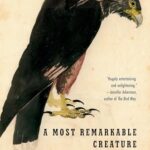
A Most Remarkable Creature: The Hidden Life of the World’s Smartest Birds of Prey
by Jonathan Meiburg
“Jonathan Meiburg investigates and celebrates these “disarmingly conscious” animals in his wonderful book A Most Remarkable Creature: The Hidden Life of the World’s Smartest Birds of Prey (public library), largely inspired by the legacy of William Henry Hudson and written with kindred literary splendor.” — via Website

Indigo
by Ellen Bass
“I know no better homily on this fundament of our humanity than Ellen Bass’s poem “Kiss” from her altogether soul-salving collection Indigo (public library).” — via Website
The Demon-Haunted World: Science as a Candle in the Dark
by Carl Sagan
“Nearly two decades before he formulated his superb “Baloney Detection Kit” in The Demon-Haunted World: Science as a Candle in the Dark — the benediction of reality completed just before that chance mutation of cells claimed his life” — via Website
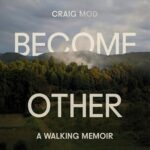
Things Become Other Things
by Craig Mod
“These questions quiver alive in Things Become Other Things (public library) — part memoir of the search for belonging, part love letter to his childhood best friend, who “bled out on a dirt yard under the stars” when the boys were teenagers, part record of alchemizing loss into a largeness of being by learning “to walk, and walk well, and witness the people along the way.”” — via Website
The Creative Mind: Myths and Mechanisms
by Margaret A. Boden
“Few have reckoned with these questions more deeply, or more durationally, than British philosopher Margaret Boden (November 26, 1936–July 18, 2025), who composed her revelatory book The Creative Mind: Myths and Mechanisms (public library) when the Internet was just a few years old and computational models still in their infancy.” — via Website
On Looking
by Lia Purpura
“The second best is poet Lia Purpura’s magnificent essay collection On Looking (public library) — an invitation to see the world whole by apprehending its details and the dialogue between them: church spires and glaciers and seventeenth-century Dutch paintings, the wings of the house fly “gently veined like a fine pen drawing of tributaries,” the late-afternoon light silvering the sardines in the open can.” — via Website

Elderflora: A Modern History of Ancient Trees
by Jared Farmer
“Jared Farmer chronicles their evolutionary trajectory in his altogether fascinating book Elderflora: A Modern History of Ancient Trees (public library)” — via Website
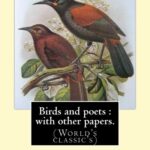
Birds and Poets
by John Burroughs
“In one of the essays found in his exquisite 1877 collection Birds and Poets (public library | public domain), the philosopher-naturalist John Burroughs (April 3, 1837–March 29, 1921) explores the nature of that creative act through a parallel between poetry and personhood anchored in a brilliant metaphor for the two different approaches to creation.” — via Website
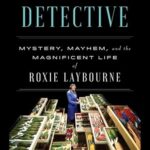
The Feather Detective: Mystery, Mayhem, and the Magnificent Life of Roxie Laybourne
by Chris Sweeney
“In The Feather Detective: Mystery, Mayhem, and the Magnificent Life of Roxie Laybourne (public library), Chris Sweeney writes:” — via Website
N by E
by Rockwell Kent
“Rockwell Kent (June 21, 1882–March 13, 1971) labored at his singular paintings and prints in solitude, in penury, in obscurity for decades. When the New York art world declared him an overnight success, largely thanks to his transcendent account of nine months on a remote Alaskan island, he left the city and moved to a quiet farmstead upstate, then left the continent, returning to the austere solitudes of the Arctic to paint, write, and reflect on the meaning of it all. In a lovely passage from N by E (public library) — his altogether exquisite 1930 memoir of the year he spent in the far north, rife with wisdom on how to be more alive — he models that courage, recounting a thrift store encounter that stands as a scale model of the disorientation of success.” — via Website
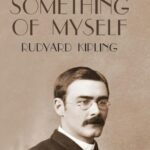
Something of Myself
by Rudyard Kipling
“In the final year of his sixties, not knowing he would not live another — how cruel and how merciful that only hindsight knows each last — Kipling began setting down all he knew about writing, lensed through the story of his unusual life. He worked on the manuscript tirelessly until just before his seventieth birthday. Days later, he suffered a hemorrhage from which he never recovered. His wife edited the unfinished manuscript and published it as Something of Myself: For My Friends Known and Unknown (public domain).” — via Website
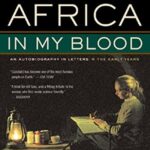
Africa in My Blood: An Autobiography in Letters
by Jane Goodall
“The essence of Goodall’s integrated, holistic view of life comes ablaze in a passage from a letter to a friend found in Africa in My Blood: An Autobiography in Letters (public library) — that magnificent record of how she turned her childhood dream into reality. The day before New Year’s Eve 1958, visiting her family in London for the first time since her departure to Africa twenty months earlier, she writes:” — via Website
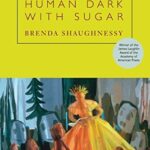
Human Dark with Sugar
by Brenda Shaughnessy
“That is what poet Brenda Shaughnessy explores in her sweeping poem “One Love Story, Eight Takes,” found in her collection Human Dark with Sugar (public library) and framed by an epigraph from Roland Barthes:” — via Website
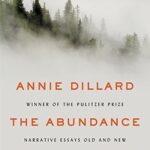
The Abundance: Narrative Essays Old and New
by Annie Dillard
“A century and a half after Whitman, Annie Dillard looks to another animal for a model of how to live these human lives. Having let a muskrat be her teacher in unselfconsciousness, she recounts her lens-clearing encounter with a weasel in an essay originally published in her 1982 packet of revelations Teaching a Stone to Talk, later included in The Abundance: Narrative Essays Old and New (public library) — one of my all-time favorite books.” — via Website
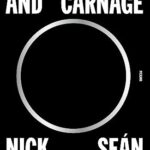
Faith, Hope and Carnage
by Nick Cave
“Nick Cave — who has known more grief than most, having lost his young son and lost his own father at a young age, but has remained an unrelenting guardian of joy — takes up the question of that transmutation on the pages of his altogether magnificent book Faith, Hope and Carnage (public library).” — via Website
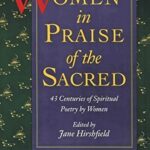
Women in Praise of the Sacred: 43 Centuries of Spiritual Poetry by Women
by Jane Hirshfield
“Sixteen centuries before Whitman, the Gnostics — those spiritual visionaries who saw the wholeness of being before modern Christianity partitioned the body and the soul — channeled that voice in “The Thunder: Perfect Mind,” part of what is now known as the Nag Hammadi Library: a set of ancient texts discovered in a jar at the foot of a cliff by two illiterate Muslim brothers in 1945. The long poem of contrasts and conciliation “appears to derive from the female-centered Isis worship preceding Christianity,” writes poet and ordained Buddhist Jane Hirshfield in introducing her translation of it in Women in Praise of the Sacred: 43 Centuries of Spiritual Poetry by Women (public library).” — via Website
The Book of a Naturalist
by W. H. Hudson
“Although he called himself a field-naturalist, Hudson wrote about what he observed with a scientist’s thirst for truth, a philosopher’s hunger for meaning, and a poet’s tenderness for the complicated miracle of being alive. In his moving 1919 memoir The Book of a Naturalist (public domain), he looks back on what he gained by giving up his era’s givens:” — via Website
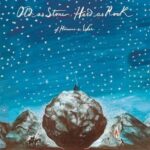
Old as Stone, Hard as Rock: of Humans and War
by Alessandro Sanna
“But as Sanna tried to paint the work of his favorite wartime poets, he found himself unable to shake off the mental images of all that ruin, the emotional atmosphere of all that grief. In the author’s note to what became Old as Stone, Hard as Rock: of Humans and War (public library) — his extraordinary wordless reckoning with humanity and war — he echoes artist Ann Hamilton’s moving manifesto “Making Not Knowing” and writes:” — via Website
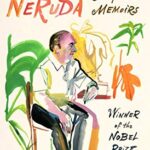
Memoirs
by Pablo Neruda
“I know of no greater love letter to language, to its simple pleasures and its infinite complexities, than the one Pablo Neruda (July 12, 1904–September 23, 1973) tucks into his posthumously published Memoirs (public library) under the heading “Words” — a stream-of-consciousness prose poem nested between chapters about his changing life in Chile and his eventual choice to leave Santiago, “a captive city between walls of snow,” half a lifetime before he was awarded the Nobel Prize for “a poetry that with the action of an elemental force brings alive a continent’s destiny and dreams.”” — via Website
On Becoming a Person
by Carl R. Rogers
“In 1951, as the Cold War was menacing the world with mutually assured destruction, the pioneering psychologist Carl R. Rogers (January 8, 1902–February 4, 1987) addressed the Centennial Conference on Communications at Northwestern University with a revelation of a talk plainly titled “Communication: Its Blocking and Its Facilitation,” later included in his classic On Becoming a Person (public library) — an inquiry into the crux of mutual misunderstanding and the remedy for it, as applicable to love as it is to war, revealing the same psychological forces coursing beneath the bloodiest conflict between groups and the subtlest discord in our intimate relationships.” — via Website
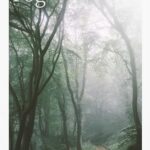
Chasing Fog
by Laura Pashby
“In Chasing Fog (public library), writer and photographer Laura Pashby composes a beguiling love letter to “the wonder and soothing balm of fog,” to “the irresistible romance of stepping into a cloud at ground level,” to what it teaches us about the visible and the invisible.” — via Website
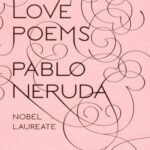
Love Poems
by Pablo Neruda
“as translated by Donald Devenish Walsh in the bilingual pocket-sized collection of immensities Love Poems (public library)” — via Website
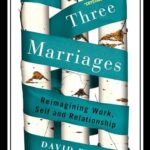
The Three Marriages: Reimagining Work, Self and Relationship
by David Whyte
“In The Three Marriages: Reimagining Work, Self and Relationship (public library), poet and philosopher David Whyte captures the terror and transcendence we are hurled into as we encounter, without looking for it, “a degree of mutually encoded knowledge” with another person that touches the center of our being and discomposes the superstructure of life as we know it.” — via Website
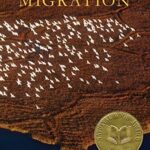
Migration: New & Selected Poems
by W. S. Merwin
“a poem by W.S. Merwin (September 30, 1927–March 15, 2019), found in his collection Migration: New & Selected Poems (public library) — a book that lodges itself in the deepest recesses of your soul and stays with you for life.” — via Website
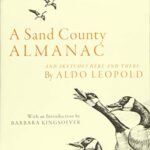
A Sand County Almanac: And Sketches Here and There
by Aldo Leopold
“The philosopher, naturalist, and pioneering conservationist Aldo Leopold (January 11, 1887–April 21, 1948) takes up this question in a wonderful essay about the Rio Gavilan — a vast watershed in Mexico’s Sierra Madre Occidental, where Leopold had spent time with his son in the 1930s and where his conservation philosophy had begun to ripen — later included in the indispensable collection A Sand County Almanac: And Sketches Here and There (public library), published months after his death.” — via Website
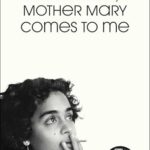
Mother Mary Comes to Me
by Arundhati Roy
“Arundhati Roy is one such modern patron saint, and she takes up the complicated question of success in her exquisite memoir Mother Mary Comes to Me (public library) — what success means and looks like in the deepest sense, how its shallow metrics can turn a person into “a cold silver figurine with a cold silver heart,” why “making friends with defeat” is “the very opposite of accepting it” and so-called failure might actually be worth striving for.” — via Website
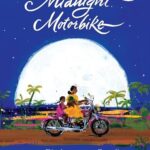
Midnight Motorbike
by Maureen Shay Tajsar
“In Midnight Motorbike (public library), writer Maureen Shay Tajsar and artist Ishita Jain tell the story of a little girl too hot to sleep through the Indian night that “stretches its dark arms beyond the banyan tree grove and the red earth canyon, all the way to the big indigo ocean,” and her Amma, who whisks the child away on the back of her motorcycle in her shimmering sari to tour the bright variousness of the world.” — via Website

Alphabet in Motion: How Letters Get Their Shape
by Kelli Anderson
“Kelli Anderson, maker of material magic, brings that layered history to life in Alphabet in Motion: How Letters Get Their Shape — a large-format two-volume marvel, many years and myriad prototypes in the making, full of paper pulleys and accordion delights that illustrate the biography of each letter.” — via Website
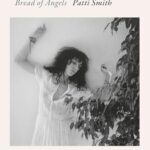
Bread of Angels
by Patti Smith
“In her moving memoir Bread of Angels (public library), she traces the trajectory of a life stubbornly defiant of the odds” — via Website
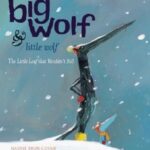
Big Wolf & Little Wolf: The Little Leaf That Wouldn’t Fall
by Nadine Brun-Cosme
“French author Nadine Brun-Cosme and artist Olivier Tallec invite that discovery with great tenderness in Big Wolf & Little Wolf: The Little Leaf That Wouldn’t Fall (public library) — the sequel to their uncommonly lovely parable about loneliness, belonging, and how friendship transforms us that remains one of my favorite books of all time.” — via Website
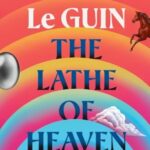
The Lathe of Heaven
by Ursula K. Le Guin
“Ursula K. Le Guin (October 21, 1929–January 22, 2018) offered a perfect refutation of the central fallacy at the heart of our resistance to change — our tendency to mistake stasis for equilibrium and to mistake the complacency of equilibrium for contentment — in a passage from her 1971 novel The Lathe Of Heaven (public library).” — via Website
The New Machiavelli
by H. G. Wells
“H.G. Wells (September 21, 1866–August 13, 1946) explores the price and the reward of this blessing discomposure in his 1911 novel The New Machiavelli (public domain) — a story largely autobiographical, for which Wells paid a high price, but which he must have felt would offer a compass through the confusions of a complex yet mutely common human experience.” — via Website
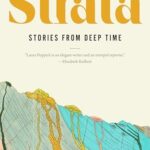
Strata: Stories from Deep Time
by Laura Poppick
“Laura Poppick offers a wondrous portal into this deeper dimension of time in Strata: Stories from Deep Time (public library) — a fine belated addition to my favorite books of 2025.” — via Website
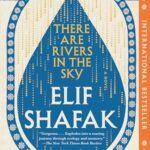
There Are Rivers in the Sky
by Elif Shafak
“In a passage from her altogether wonderful novel There Are Rivers in the Sky (public library), Turkish writer Elif Shafak offers a taxonomy of motives for hate” — via Website
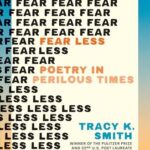
Fear Less: Poetry in Perilous Times
by Tracy K. Smith
“In Fear Less: Poetry in Perilous Times (public library), poet extraordinaire and former U.S. Poet Laureate Tracy K. Smith offers what is essentially a field guide to loving life more, anchored in the recognition that “the opposite of love is not hatred or rancor but fear”” — via Website
On the Calculation of Volume
by Solvej Balle
“In On the Calculation of Volume (public library) — her startlingly original reckoning with the bewilderments of time and love, partway between Einstein’s Dreams and Ulysses — Danish author Solvej Balle offers the best definition of love I’ve encountered since Iris Murdoch’s half a century ago” — via Website
Practical Mysticism
by Evelyn Underhill
“In Practical Mysticism (public library | public domain) — her century-old field guide to mystical experience without religion, the product of “ordinary contemplation” springing from the very essence of human nature, available to all — the English poet, novelist, mystic, and peace activist Evelyn Underhill (December 6, 1875–June 15, 1941) explores how we arrive at that revelation of reality, that elusive knowledge of the deepest truth at the heart of which is self-knowledge.” — via Website
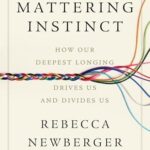
The Mattering Instinct
by Rebecca Newberger Goldstein
“That longing, argues philosopher and novelist Rebecca Goldstein in The Mattering Instinct (public library), is more than a whim of feeling, more than a wave in the mind — it is part of our creaturely inheritance, part of the price of consciousness, the source of our deepest consanguinity and our most ferocious conflicts.” — via Website
The Book of Disquiet
by Fernando Pessoa
“No one has written more passionately or more perceptively about that existential dimension of sleep than the Portuguese poet and philosopher Fernando Pessoa (June 13, 1888–November 30, 1935) throughout The Book of Disquiet (public library) — the posthumously published masterpiece that also gave us Pessoa on how to be a good explorer in the lifelong expedition to yourself, the trouble with love, and how to unself into who you really are.” — via Website
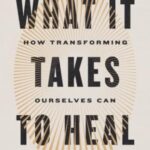
What It Takes to Heal: How Transforming Ourselves Can Change the World
by Prentis Hemphill
“In What It Takes to Heal: How Transforming Ourselves Can Change the World (public library), Hemphill considers the psychophysiology that makes fear such a powerful default” — via Website
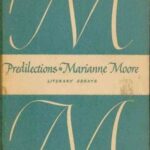
Predilections
by Marianne Moore
“Moore had set down her views on writing in a series of essays later collected in the out-of-print gem Predilections (public library). Pulsating through them is a reckoning with the impossible task of the writer — to weave tapestries of truth and meaning from the tenuous thread of words on the ramshackle loom of language.” — via Website
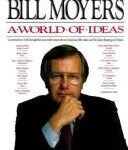
Bill Moyers: A World of Ideas
by Bill Moyers
“In 1988, Bill Moyers produced a series of intelligent, inspiring, provocative conversations with a diverse set of cultural icons, ranging from Isaac Asimov to Noam Chomsky to Chinua Achebe. It was unlike any public discourse to have ever graced the national television airwaves before. The following year, the interviews were transcribed and collected in the magnificent tome Bill Moyers: A World of Ideas (public library).” — via Website
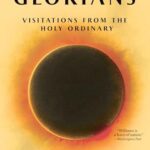
The Glorians: Visitations from the Holy Ordinary
by Terry Tempest Williams
“That it is not one god but many, that they are not only within us but around us in forests and oceans and microcosms of moss, is what Terry Tempest Williams offers in The Glorians: Visitations from the Holy Ordinary (public library) — vespers for a burning world, a rosary of stays against despair” — via Website

Frida Kahlo: Love Letters
by Suzanne Barbezat
“Her letters to Alejandro, collected in the altogether stirring volume Frida Kahlo: Love Letters (public library) edited by Suzanne Barbezat, offer a rare glimpse of her becoming — as an artist, as a lover, as a person who lived with extraordinary vulnerability, extraordinary courage, and the precocious awareness that the conversation between the two is the measure of a life.” — via Website
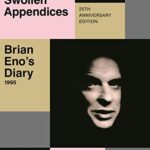
A Year with Swollen Appendices: Brian Eno’s Diary
by Brian Eno
“In 1995, shortly after a major retrospective of his work had been released, Brian Eno hit that point of pointlessness. In a stirring entry from A Year with Swollen Appendices: Brian Eno’s Diary (public library), he writes” — via Website
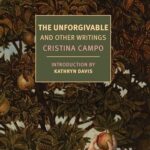
The Unforgivable
by Cristina Campo
“In her revelatory reckoning with how fairy tales reveal us to ourselves, found in her posthumous essay collection The Unforgivable (public library), Italian writer Cristina Campo (April 29, 1923–January 10, 1977) examines the relationship between the hope and trust, and the dangers of confusing them, in our quest for the possible.” — via Website
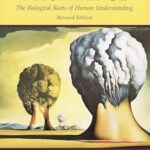
The Tree of Knowledge: The Biological Roots of Human Understanding
by Humberto R. Maturana
“Chilean philosophers Humberto Maturana (September 14, 1928–May 6, 2021) and Francisco Varela (September 7, 1946–May 28, 2001) explore this with uncommon subtlety and rigor in their 1984 classic The Tree of Knowledge: The Biological Roots of Human Understanding (public library)” — via Website
Teaching to Transgress: Education as the Practice of Freedom
by Bell Hooks
“bell hooks (September 25, 1952–December 15, 2021) takes on these infinities in one of the essays collected in Teaching to Transgress: Education as the Practice of Freedom (public library).” — via Website
On Not Knowing: How to Love and Other Essays
by Emily Ogden
“Emily Ogden hones the blade of that question in the very first sentence of one of the essays in her altogether wonderful collection On Not Knowing: How to Love and Other Essays (public library)” — via Website
The Crossing Point: Selected Talks and Writings
by M. C. Richards
“the address she delivered, later included in The Crossing Point: Selected Talks and Writings (public library), is one of the most honest, imaginative, and articulate investigations of creativity I have encountered” — via Website
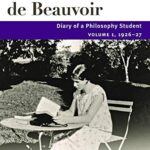
Diary of a Philosophy Student
by Simone de Beauvoir
“Simone de Beauvoir (January 9, 1908–April 14, 1986) was only nineteen when she took up this question with uncommon lucidity in her diary, later published as the endlessly satisfying Diary of a Philosophy Student (public library).” — via Website
Homesick for a World Unknown: The Life of George B. Schaller
by Miriam Horn
“Complement this fragment of the wholly magnificent Homesick for a World Unknown with a taste, delicious and incomplete, of what it’s like to be an orca, what it’s like to be an owl, and what it’s like to be a falcon.” — via Website
In Praise of Idleness and Other Essays
by Bertrand Russell
“We didn’t then, but maybe, just maybe, we can now with the prescription Russell offers in his wonderful essay “‘Useless Knowledge,’” later included in the altogether revelatory collection In Praise of Idleness and Other Essays (public library).” — via Website

Feminist Theory: From Margin to Center
by Bell Hooks
“No one has articulated this more poignantly and precisely than bell hooks (September 25, 1952–December 15, 2021) in her 1984 classic Feminist Theory: From Margin to Center (public library).” — via Website
The Common Reader
by Virginia Woolf
“Virginia Woolf (January 25, 1882–March 28, 1941) explores this with her characteristic rigor of thought and passion for language in a wonderful essay about the Ancient Greeks later included in The Common Reader (public library) — the classic collection that also gave us Woolf on how to hear your soul.” — via Website
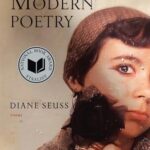
Modern Poetry
by Diane Seuss
“That is what Diane Seuss offers in her splendid poem “Weeds,” found in her altogether vivifying collection Modern Poetry (public library).” — via Website
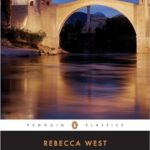
Black Lamb and Grey Falcon
by Rebecca West
“The English writer Rebecca West (December 21, 1892–March 15, 1983) — one of the finest, subtlest, most passionate and precise minds I have ever read — traveled to the Balkans and recounted her encounter with those ancient cultures in Black Lamb and Grey Falcon (public library), at the heart of which is a reckoning with the relationship between art and aliveness, between storytelling and resilience, between the things we make and the world we make.” — via Website
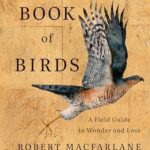
Book of Birds
by Robert Macfarlane
“It is love that radiates from the pages of Robert Macfarlane and Jackie Morris’s exquisite Book of Birds (public library) — a passionate and rigorous subjectifying of the wonder of the winged, seven years in the making, part field guide and part ode, animated by an I/Thou relationship that implicates both reader and read by addressing each bird directly as a subject rather than explicating an object.” — via Website
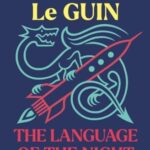
The Language of the Night: Essays on Writing, Science Fiction, and Fantasy
by Ursula K. Le Guin
“That is what Ursula K. Le Guin (October 21, 1929–January 22, 2018) explores in a fragment of her wholly fantastic 1979 essay collection The Language of the Night: Essays on Writing, Science Fiction, and Fantasy (public library), which also gave us her abiding wisdom on the meaning of life.” — via Website
The Traveler: One Man’s Quest for Humanity from the South Seas to Revolutionary Paris
by Andrea Wulf
“Andrea Wulf animates the life of this forgotten visionary in The Traveler: One Man’s Quest for Humanity from the South Seas to Revolutionary Paris (public library) — one of those rare books in which a single life, rendered with rigor and compassion in all its delicate particularity, becomes a lens for the best in human nature: our passion for the possible, our stubborn refusal to resign ourselves to the system, our bottomless capacity for kindness.” — via Website
Collected Poems
by Jane Kenyon
“Poet Jane Kenyon (May 23, 1947–April 22, 1995) offers a splendid consolation for signing it in her poem “Things,” found in her altogether soul-slaking Collected Poems (public library).” — via Website
These Wilds Beyond Our Fences: Letters to My Daughter on Humanity’s Search for Home
by Bayo Akomolafe
“Bayo Akomolafe celebrates the rewilding power of these interruptions in These Wilds Beyond Our Fences: Letters to My Daughter on Humanity’s Search for Home (public library).” — via Website
In Search of Now: The Science of the Present Moment
by Jo Marchant
“Jo Marchant takes up this elemental mystery in her excellent investigation In Search of Now: The Science of the Present Moment (public library), weaving together physics, psychology, neuroscience, philosophy, and cultural anthropology to expose the warp and weft of our aliveness” — via Website
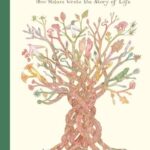
The Forgotten Teachers: How Nature Wrote the Story of Life
by Brian Isett
“Neuroscientist Brian Isett and artist Claudia Biçen celebrate the wonder of how we went from mitochondria to minds in The Forgotten Teachers: How Nature Wrote the Story of Life (public library) — a love letter to that place between knowledge and mystery, where science illuminates the spirituality of nature.” — via Website
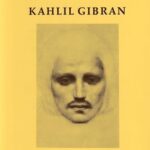
The Prophet
by Kahlil Gibran
“Two and a half millennia after Lao Tzu, and a century before Le Guin and Berry, Kahlil Gibran (January 6, 1883–April 10, 1931) — another philosopher-poet of the highest order and most timeless hold — addressed the relationship between silence, solitude, and self-knowledge in a portion of his 1923 classic The Prophet (public library).” — via Website
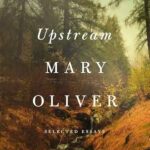
Upstream: Selected Essays
by Mary Oliver
“How to hedge against that hazard is what beloved poet Mary Oliver (September 10, 1935–January 17, 2019) explores in a wonderful piece titled “Of Power and Time,” found in the altogether enchanting Upstream: Selected Essays (public library).” — via Website
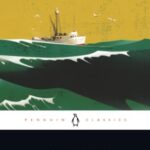
The Log from the Sea of Cortez
by John Steinbeck
“A mighty antidote to that very human and very life-limiting impulse comes from The Log from the Sea of Cortez (public library) by John Steinbeck (February 27, 1902–December 20, 1968).” — via Website
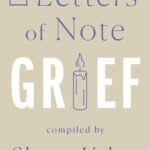
Letters of Note: Grief
by Shaun Usher
“Upon receiving the news, the thirty-five-year-old writer sent his friends an extraordinary letter, part consolation for and part consecration of a loss for which there is no salve, found in Shaun Usher’s moving compilation Letters of Note: Grief (public library).” — via Website
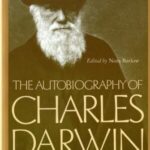
The Autobiography of Charles Darwin
by Charles Darwin
“In his final years, Darwin set aside an hour each afternoon to reflect on his life and to impart the private cosmogony of meaning he had discovered in his seven decades. In a set of autobiographical sketches he wrote for his children, bearing the heading “Recollections of the Development of My Mind and Character,” he considered what makes us human, what makes us happy, and what makes life worth living. After his death, finding in these notes immense insight and universal value, his children edited and published them as The Autobiography of Charles Darwin (public library).” — via Website
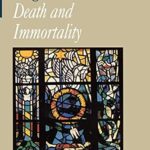
Jung on Death and Immortality
by C. G. Jung
“Five years later, Jung developed these ideas in his most intellectually elegant essay, titled “Death and the Soul” and included in Jenny Yates’s altogether magnificent anthology Jung on Death and Immortality (public library).” — via Website
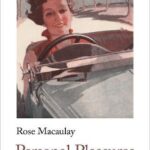
Personal Pleasures: Essays on Enjoying Life
by Rose Macaulay
“Rose Macaulay (August 1, 1881–October 30, 1958) channels this ecstatic relief with great charm and poetic passion in a piece from Personal Pleasures: Essays on Enjoying Life (public library) — her 1935 collection of reflections kindred to, and a century ahead of, poet Ross Gay’s wonderful Book of Delights.” — via Website
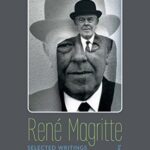
Selected Writings
by Rene Magritte
“In a 1947 interview included in his Selected Writings (public library) — the first release of Magritte’s manifestos, interviews, and other prose in English, thanks to the heroic efforts of scholar Kathleen Rooney” — via Website
Letters to a Young Poet: A New Translation and Commentary
by Rainer Maria Rilke
“Posthumously published in German, these letters of uncommonly penetrating insight into the essence of art and love — that is, the essence of life — now come alive afresh as Letters to a Young Poet: A New Translation and Commentary (public library) by ecological philosopher, Buddhist scholar, and environmental activist Joanna Macy, and poet and clinical psychologist Anita Barrows” — via Website
The Grasshopper: Games, Life, and Utopia
by Bernard Suits
“So argues philosopher Bernard Suits (November 25, 1925–February 05, 2007) in his uncommonly original and intellectually daring 1978 book The Grasshopper: Games, Life, and Utopia (public library), exploring the elemental question of what makes a good life through a parable, that ancient form infinitely more effective than polemics” — via Website
My View of the World
by Erwin Schrodinger
“That is what the Nobel-winning founding father of quantum mechanics Erwin Schrödinger (August 12, 1887–January 4, 1961) addresses in some exquisite passages from My View of the World (public library) — the slender, daring deathbed book containing two long essays penned on either side of his Nobel Prize, thirty-five years apart yet united by the unbroken thread of his uncommon mind unafraid of its own capacity for feeling, that vital capacity for living fully into the grandest open questions of existence.” — via Website
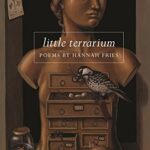
Little Terrarium
by Hannah Fries
“As it happens, my friend Hannah Fries has just the right poem to reverence this existential dimension of roots and their relations, found in her altogether wonderful collection Little Terrarium (public library)” — via Website

The Polyvagal Theory in Therapy: Engaging the Rhythm of Regulation
by Deb Dana
“In the decades since, no one has championed polyvagal theory more ardently than the clinical psychologist Deb Dana. In her book The Polyvagal Theory in Therapy: Engaging the Rhythm of Regulation (public library), written for therapists, she explores how trauma automates our adaptive responses in a survival story that puts the fear-based dorsal vagus in command to induce collapse and dissociation, and how we can rewire our neural pathways toward the emotional safety of the ventral vagal state, where our capacity for curiosity, connection, and change flourishes.” — via Website
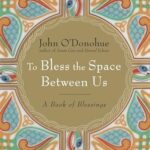
To Bless the Space Between Us: A Book of Blessings
by John O'Donohue
“How to leap into the thrilling and terrifying unknowns of the possible is what the Irish poet and philosopher John O’Donohue (January 1, 1956–January 4, 2008) explores in a chapter of his parting gift to the world, To Bless the Space Between Us: A Book of Blessings (public library), which also gave us his luminous meditation on kindling the light between us and within us.” — via Website
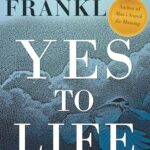
Yes to Life: In Spite of Everything
by Viktor E. Frankl
“Eventually rediscovered — as is also the tendency of our collective memory when the present fails us and we must lean for succor on the life-tested wisdom of the past — they are now published in English for the first time as Yes to Life: In Spite of Everything (public library).” — via Website
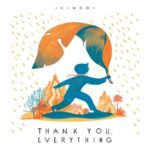
Thank You, Everything
by Icinori
“Artist couple Mayumi Otero and Raphael Urwiller, who work together under the pen name Icinori, offer a vibrant invitation to this countercultural way of seeing in Thank You, Everything (public library) — a meditative yet exuberant journey through the world within and the world without, inspired by the Japanese notion of tsuumogami: the soul, or spirit, that inanimate objects are believed to acquire after being of service in the world for a hundred years.” — via Website
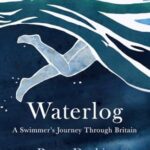
Waterlog: A Swimmer’s Journey Through Britain
by Roger Deakin
“This spiritual dimension of swimming in wild nature comes vividly alive in Roger Deakin’s delicious book Waterlog: A Swimmer’s Journey Through Britain (public library).” — via Website
Love and Saint Augustine
by Hannah Arendt
“How to heed Augustine’s caution, not by subjugating but by better understanding our experience of love, is what Hannah Arendt (October 14, 1906–December 4, 1975) explores in her least known but in many ways most beautiful work, Love and Saint Augustine (public library) — Arendt’s first book-length manuscript and the last to be published in English, posthumously salvaged from her papers by political scientist Joanna Vecchiarelli Scott and philosopher Judith Chelius Stark.” — via Website