
Reading List
Dorothy Rowe
Psychologist and Writer
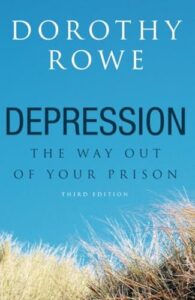
Dorothy Rowe was an Australian-born psychologist and writer who spent most of her career in Britain. She came to England in her forties, worked at the University of Sheffield and ran the clinical psychology department in Lincolnshire. Her best-known book, Depression: The Way Out of Your Prison, treated depression as a result of the way people interpret their lives rather than as a disease. Later books took on fear, siblings, belief and, in Why We Lie, the stories we tell ourselves. She died in 2019.
01
 Amazon ↗
Local bookstores ↗
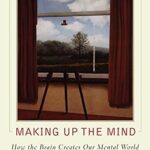
Making Up the Mind
by Chris Frith
“Chris is an academic psychologist and emeritus professor at University College London. He wrote this not as an academic book but to help the ordinary layperson understand the way our brain works – it’s very readable, although you do have to pay attention.” — via Interview, May 2010
02
 Amazon ↗
Local bookstores ↗
Whoops!
by John Lanchester
“So Whoops! is a book everyone should read. Lanchester demonstrates that out there in the real world we go on and on making these mistakes because we don’t understand ourselves.” — via Interview, May 2010
03
 Amazon ↗
Local bookstores ↗
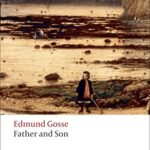
Father and Son
by Edmund Gosse
“I have read innumerable books over my lifetime and some I would have said in the past were wonderful. But the only book that, in my eyes, has remained wonderful is Edmund Gosse’s Father and Son. When it was first published in 1907 it was shocking because up till then no son would ever criticise his father.” — via Interview, May 2010
04
 Amazon ↗
Local bookstores ↗
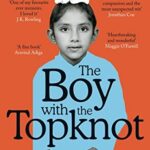
The Boy with the Topknot
by Sathnam Sanghera
“This is just a beautifully written and, again, painfully truthful account of a life. Because Sathnam has to admit that he lived in this close-knit family and he didn’t notice that his father was really very odd.” — via Interview, May 2010
05
 Amazon ↗
Local bookstores ↗
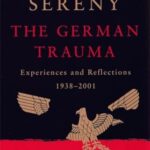
The German Trauma
by Gitta Sereny
“And we learn quite a lot through Gitta about those individual Germans and how their acceptance of Hitler and their lies developed. In Why We Lie I’ve written quite a lot about those lies. Gitta’s work is so important because she keeps a record of what those people said and the lies that they told.” — via Interview, May 2010