

Reading List
Adrienne Mayor
Research Scholar in Classics and History of Science
Adrienne Mayor is a research scholar in classics and the history of science at Stanford, working on what she calls folk science: how pre-scientific cultures read the natural world, and how those readings hardened into myth. The First Fossil Hunters argued that griffins and giants began as encounters with dinosaur bones, effectively founding the field of geomythology. Greek Fire, Poison Arrows, and Scorpion Bombs traced chemical and biological warfare back to antiquity, and The Poison King, on Rome’s enemy Mithradates, was a National Book Award finalist. She treats ancient sources as evidence rather than ornament.

Bandits in the Roman Empire
by Thomas Grünewald
“The book is about a special, very broad class of enemies within the empire, people that Romans called latrones. The term refers to outlaws, bandits, robbers, pirates, criminals, fugitives from the law, runaway slaves and any other rebels against Roman authority. Some Roman politicians even began to use the term latrones metaphorically to insult and brand their political rivals as enemies of the state.” — via Interview, May 2010
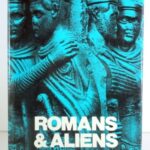
Romans and Aliens
by J P V D Balsdon
“So, Balsdon really combed through the sources to give us a view of Rome and its enemies. It’s just jam-packed with lots of out-of-the-way information, fascinating material that is really hard to find in any other book.” — via Interview, May 2010
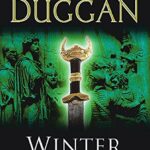
Winter Quarters
by Alfred Duggan · Fiction
“He leaves his village in the Pyrenees, and goes on Roman campaigns across Germany, France, Italy, Greece, and Asia Minor. Then they travel to the edges of the Steppes, to what is now southern Russia. Finally his Roman army is defeated in Parthia, now modern Iran, and our hero survives and decides to join the victorious Parthian army. He finds himself patrolling the borders of Afghanistan.” — via Interview, May 2010
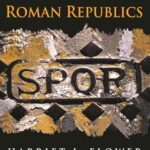
Roman Republics
by Harriet I. Flower
“Flower has a really original and striking interpretation of Roman history, and she explains it very clearly in this short book. Her thesis is that the Roman Republic is not a single, monolithic power from the very beginning, and then 450 years later it suddenly crumbles and falls to pieces in the first century BC.” — via Interview, May 2010

The Spartacus War
by Barry Strauss
“Barry Strauss is a friend of mine, and I really admire his writing. This book is about the great slave revolt led by the gladiator slave Spartacus.” — via Interview, May 2010